Edge Computing Use Cases You See Today: Real-World Applications Driving Innovation
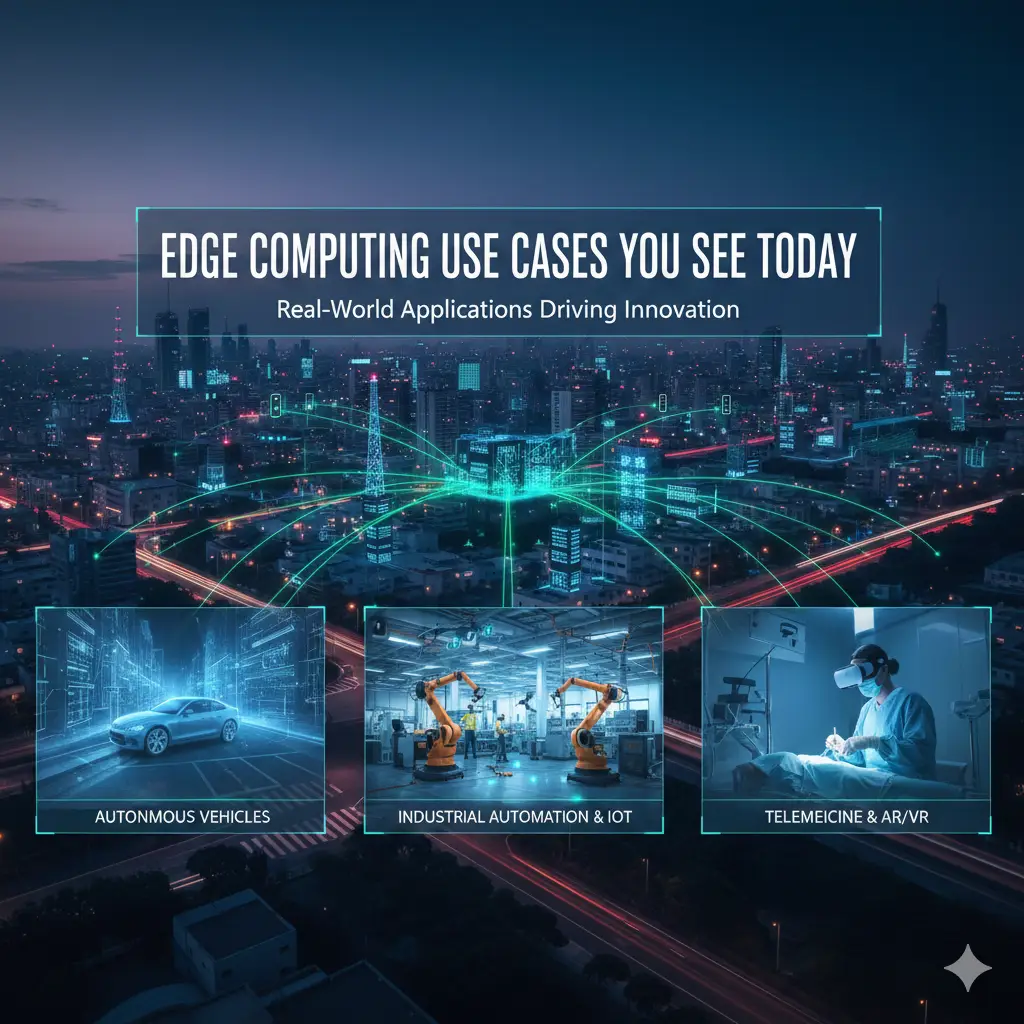
In 2025, you spot Edge Computing Use Cases You See Today in many places around you. Think about a factory where machines fix problems before they stop working. Or a self-driving car that makes fast choices on the road. Edge computing handles data right at the spot where it is made. This makes things quicker and safer. Engineers and developers like you build these systems every day. You use tools from companies like Infineon and IBM to create smart devices. This guide shows real examples and tips to help you in your work.
Understanding Edge Computing Basics
First, let’s answer a common question: what is edge computing? It is a way to process data close to where it comes from. Instead of sending all data to a big cloud far away, edge devices do the work locally.
How does edge computing work? Sensors collect data. A small computer or chip processes it right there. It only sends important summaries to the cloud if needed. This keeps things fast.
Now, look at edge computing vs cloud computing. Cloud computing is good for storing lots of data and running big programs. Edge is better for speed and when the internet might not be strong. Many systems use both together.
Advantages of edge computing are clear:
- Very low delay – actions happen in milliseconds.
- Saves money on data transfer.
- Keeps private info safer on the device.
- Works offline if needed.
Edge computing technology uses small powerful chips called MCUs. These have AI built in. 5G networks help too by sending data fast.
An example of fog computing is like an edge but with a middle step. It groups devices together before the cloud. Many people use the terms in similar ways.
Stats show how big this is. The edge market grows fast. Companies spend billions on it each year. By 2025, it helps save energy and make systems smarter.
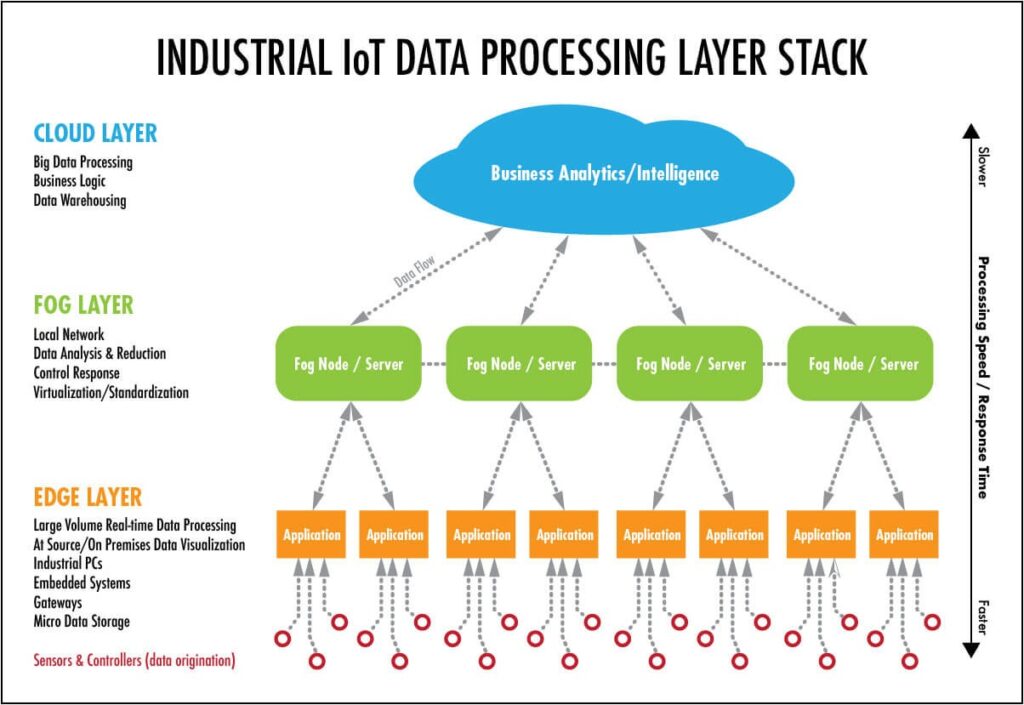
Cloud Computing – Fog Computing & Edge Computing – WINSYSTEMS, INC
Simple diagram showing edge computing architecture compared to cloud – devices process data locally.
Why Edge Computing Matters for You as a Developer or Engineer
You design embedded systems or IoT setups. Edge lets you put smart features on small hardware. No need for big servers.
Hardware like Infineon’s PSoC Edge family helps. These MCUs have dual cores and ML engines. They run AI on low power. Perfect for battery devices.
You use tools like ModusToolbox to program them. It makes development easy.
For architects, edge fits into bigger plans. You mix it with cloud for best results.
Top Edge Computing Use Cases You See Today
High-ranking articles succeed because they give specific examples per industry. They add benefits, stats, and tech details. We do the same here with real 2025 cases.
1. Manufacturing and Industrial IoT
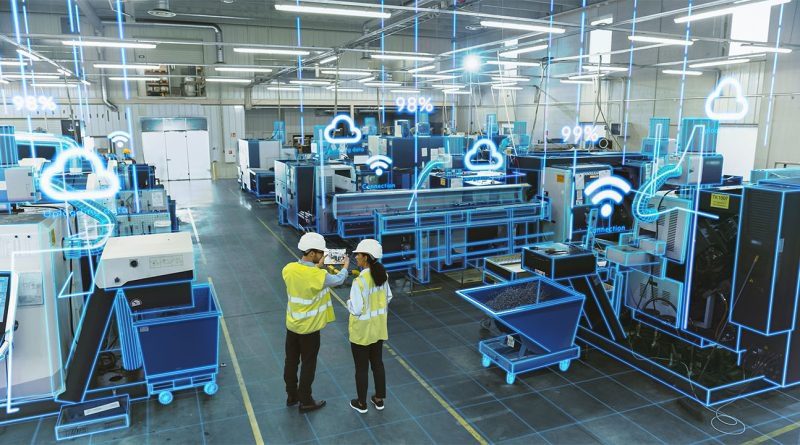
Factories lead in edge use. Predictive maintenance is a top case.
Sensors on machines watch vibrations and heat. Edge chips spot problems early.
- Machines get fixed before breaking.
- Factories save money – downtime drops by 30-50%.
- Workers stay safer.
Many plants use TinyML for this. It runs models on small devices.
Explore hardware options inArrow’s guide to PSoC Edge MCUs1.
manufacturing-today.com
Top 7 digital manufacturing tools you need in 2025
Factory floor with sensors and machines using edge computing for predictive maintenance.
Another part: Quality checks. Cameras scan products fast. Bad ones get removed right away.
2. Autonomous Vehicles and Transportation
Self-driving cars need edge the most. They process tons of data from cameras and radar every second.
Edge makes decisions in real time:
- Spot pedestrians.
- Adjust speed.
- Follow other vehicles in platoons.
Truck companies save fuel this way. Safety improves a lot.
Many car makers deploy this now. Edge handles road surprises without cloud delay.
Autonomous vehicle processing sensor data with edge computing for safe driving.
Examples of edge computing in daily life include ride-share apps that route cars better.
3. Healthcare and Remote Monitoring
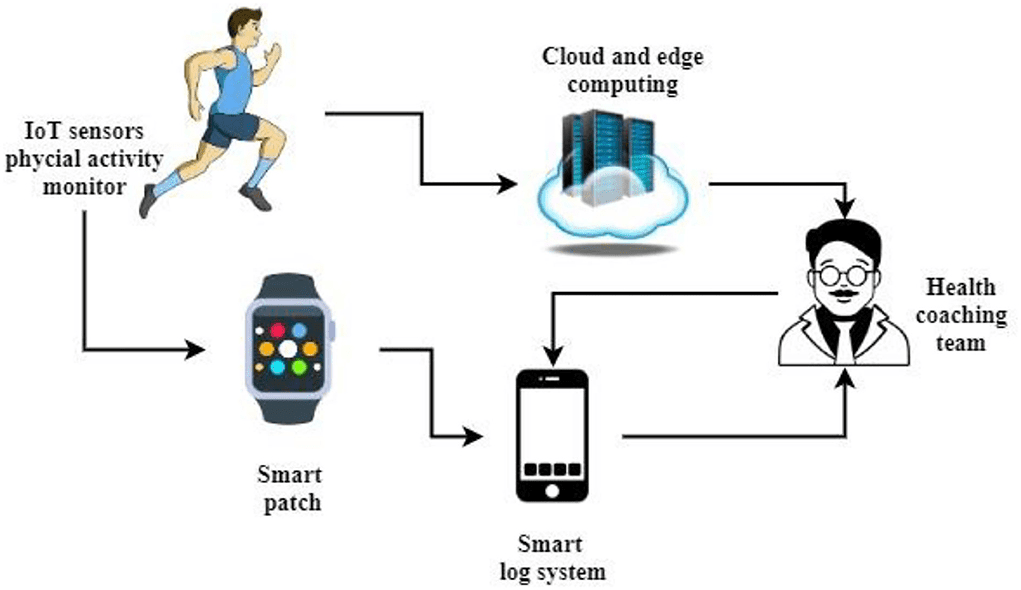
Hospitals and wearables use edge for patient care.
Devices track heart rates and alerts doctors fast.
- Saves lives in emergencies.
- Keeps patient data private.
- Helps remote areas.
In surgeries, low delay aids robot tools.
Wearables process steps or falls locally.
Frontiers | Real-time tracking and detection of patient conditions …
Patient monitoring system with wearables and edge devices in healthcare.
Rules like HIPAA make local processing important.
4. Retail and Customer Experience
Stores get smarter with edge.
Cameras count people and track shelves.
- Send personal deals to phones.
- Auto checkout lines.
- Restock alerts.
Shoppers get better service. Stores cut theft.
Smart carts guide buyers too.
This is a clear example of edge computing in daily life when you shop.
5. Telecommunications and 5G
5G and edge work together.
Edge servers sit near cell towers.
- Run virtual networks.
- Handle video calls with no lag.
- Support AR apps.
Operators save costs. Users get faster service.
See more inSTL Partners’ edge examples2.
5G tower with edge servers reducing latency for networks.
6. Smart Cities and Traffic
Cities use edge for better flow.
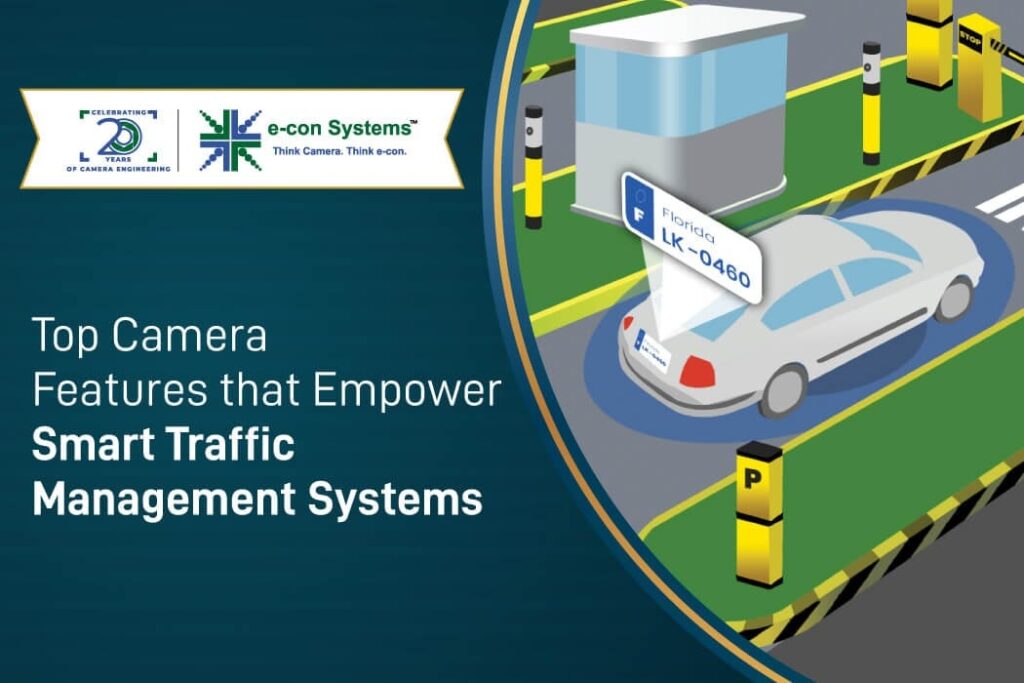
Cameras watch roads and change lights.
- Cut traffic jams.
- Help emergency vehicles.
- Monitor parking.
Sensors track air quality too.
Top Camera Features that Empower Smart Traffic Management Systems …
Smart city traffic system with cameras and edge processing.
This makes cities safer and greener.
7. Energy and Smart Grids
Power companies balance loads.
Edge adjusts home use during peaks.
- Saves energy.
- Adds solar power smoothly.
- Spots outages fast.
Oil fields monitor remote pipes.
8. Entertainment and Gaming
Cloud gaming uses edge servers close to you.
- Less lag in games.
- Stream high quality.
AR events work better live.
More Everyday Examples
Examples of edge computing in daily life also include:
- Voice assistants like Siri process commands locally.
- Home security cameras detect motion on device.
- Fitness trackers analyze workouts without cloud.
These make life easier and private.
For broad industry views, readIBM’s use cases3.
How to Build Your Own Edge Projects
As an engineer, start simple.
Steps to implement:
- Choose hardware – Pick MCUs with AI support, like PSoC Edge.
- Select tools – Use ModusToolbox or similar for coding.
- Add AI models – Train small ones for on-device run.
- Focus on security – Use enclaves to protect data.
- Test real world – Check power use and speed.
- Connect to cloud – For updates and big analytics.
Tips:
- Start with prototypes.
- Watch battery life for mobile.
- Follow standards for safety.
Many teams cut deploy time this way.
Challenges and Solutions
Edge has some hurdles.
- Devices have limited power – Use efficient chips.
- Security risks – Add encryption.
- Managing many devices – Use orchestration tools.
Solutions grow fast in 2025.
The Future Outlook
Edge will grow more. With better 5G and AI chips.
New cases in farming, robots, and more.
You can lead in this space.
Frequently Asked Questions About Edge Computing
What are the main Edge Computing Use Cases You See Today?
Key ones include predictive maintenance in factories, real-time decisions in self-driving cars, patient alerts in healthcare, personal shopping in retail, and low-lag 5G services.
What are the top Edge Computing Use Cases You See Today?
The top Edge Computing Use Cases You See Today include predictive maintenance in factories, real-time decisions in self-driving cars, patient monitoring in healthcare, personalized shopping in retail, low-lag services in 5G networks, and smart traffic in cities. These help make things faster and safer in 2025.
What is edge computing and how does it work?
What is edge computing? It is a way to handle data right where it is made, like on a sensor or phone, instead of sending it far away. How does edge computing work? Devices process info fast locally and only send key parts to the cloud. This cuts delays.
How is edge computing used in self-driving cars?
In autonomous vehicles, edge processes data from cameras and sensors instantly. This helps cars spot dangers and make quick choices. It is one of the key Edge Computing Use Cases You See Today for safety on roads.
What advantages does edge computing have over cloud computing?
Advantages of edge computing include faster speed, lower costs on data, better privacy, and working without internet. Edge computing vs cloud computing: Edge is best for quick tasks; cloud is great for big storage. Many use both together.
Can you give examples of edge computing in daily life?
Examples of edge computing in daily life include smart home assistants that answer fast locally, fitness trackers that count steps on the device, and store cameras that send personal deals. These make everyday things easier and private.
How does edge computing help in telecom and 5G?
Edge computing technology works with 5G by placing servers near towers. This gives super low lag for video calls, games, and AR. It is a big use case for network companies today.
Conclusion: Embrace Edge Computing Use Cases You See Today
To wrap up, Edge Computing Use Cases You See Today show how this tech changes industries. From fast factories to safe cars and smart stores, edge brings real benefits like speed, savings, and security. Developers and engineers like you drive this forward with strong hardware and tools. As 2025 moves on, the edge will touch even more parts of life.
Which edge use case excites you most for your next project?
References
- Arrow Electronics – PSoC Edge Article – Technical details on ML-enabled MCUs; targets embedded engineers and hardware designers seeking hands-on specs and tools. ↩︎
- STL Partners – 10 Edge Use Cases – Sector-specific examples including telecom; suits network operators, 5G planners, and business leaders in digital transformation. ↩︎
- IBM – Edge Computing Use Cases – Industry applications with business impacts; appeals to enterprise IT architects, CIOs, and strategists evaluating ROI. ↩︎