Cybersecurity Threats Small Businesses Face Today
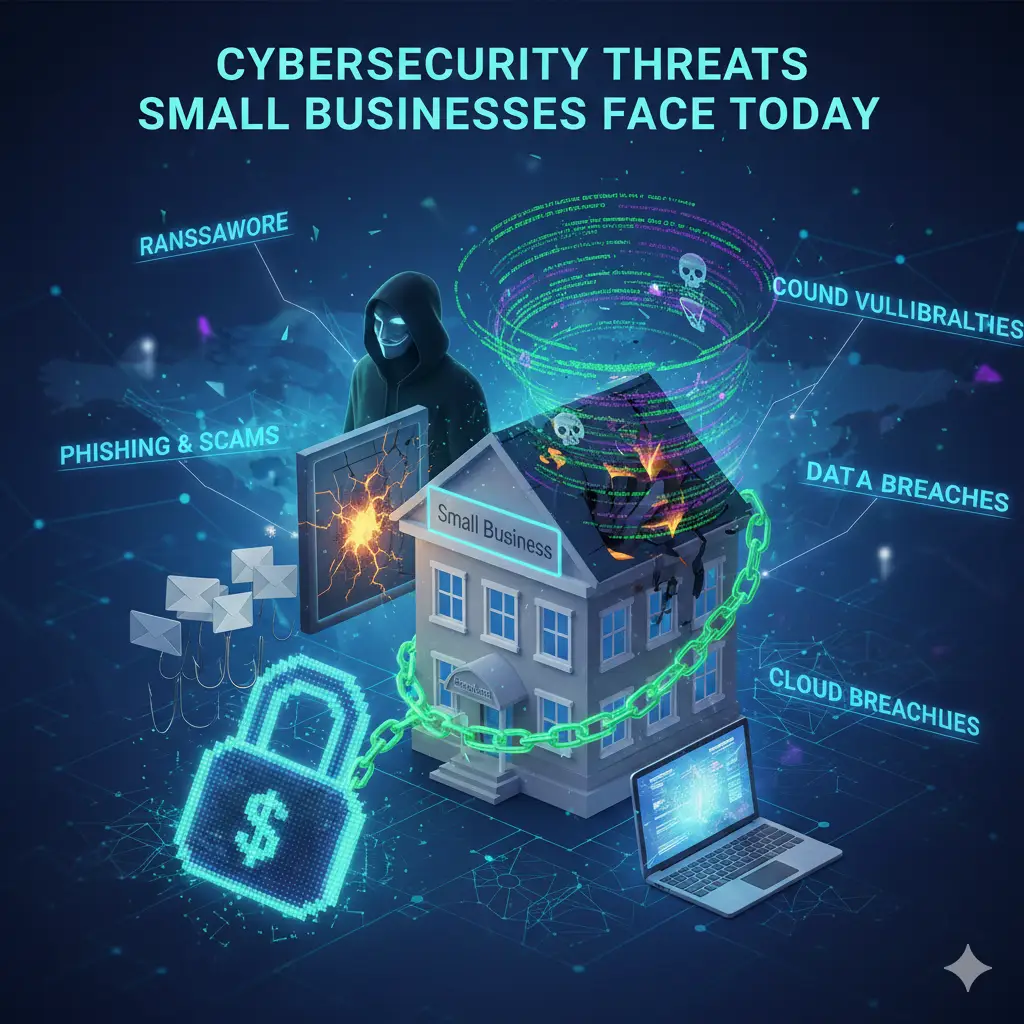
As a small business owner, you work hard every day to keep things running smooth. But cybersecurity threats small businesses face today can stop all that in a flash. Hackers love to target small companies like yours. Why? You often have less protection than big firms. In 2025, recent cyber attacks on small businesses will happen a lot. Reports show that 46% of all cyber attacks hit small businesses. Business cyber attacks cost money, time, and trust. Business cyber attack statistics are scary: nearly 40% of small businesses reported they lost crucial data as a result of an attack. The most common cyber attacks on businesses are phishing and ransomware. Many wonder how many businesses go out of business after a cyber attack – up to 60% close in six months. The top cybersecurity threats to small business owners include tricks that steal info or lock files. But good news: You can fight back with simple steps. This guide explains everything in easy words and gives you tools to protect your business.
Why Hackers Target Small Businesses
Small businesses make great targets for bad guys online. You hold important stuff like customer names, emails, and payment details. Hackers want that. Big companies have teams of experts and lots of money for security. Small ones often do not.
Here are some reasons:
- Many small owners think, “It won’t happen to me.” But it does.
- Remote work makes it easier for hackers to sneak in.
- AI tools help criminals make better attacks now.
Experts say attacks happen every few seconds. Cybersecurity threats to businesses grow fast. Small firms are seen as easy picks.
Look at guides likeTeleComp’s top threats for 2025. They say lack of resources is a big problem1.

Cybersecurity Strategies for Small and Medium Businesses …
Understanding the Main Threats
Let’s break down the cybersecurity threats small businesses face today. We use facts from trusted sources.
Phishing Attacks: The Number One Trick
Phishing is when hackers send fake emails or texts. They pretend to be someone you trust, like your bank or a coworker. They ask you to click a link or give info.
- Over 90% of attacks start this way.
- AI makes these messages look very real now.
- Small businesses get tons of these.
A real example: A shop owner clicks a fake invoice email. It installs bad software. Boom – data stolen.
How to spot phishing:
- Check the sender’s email address carefully.
- Look for spelling mistakes.
- Do not click links if it feels off.
Train your team to pause and think.
Ransomware: Locking Your Files
Ransomware is nasty. It locks your files and demands money to unlock them. Often through bitcoin.
- Many small businesses pay, but no guarantee you get files back.
- Average cost: Over $100,000 including fixes and lost work.
- It spreads fast in networks.
A story: A small clinic gets hit. Patient records locked. They lose days of work.
Protect with:
- Good backups.
- Never pay – it encourages more attacks.
SeeBT Business top threats for more2.
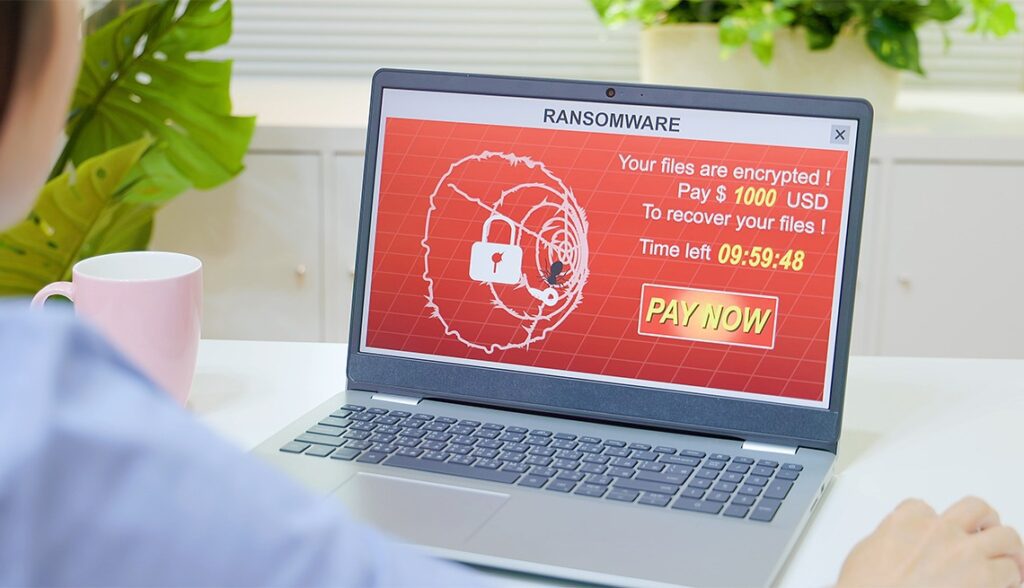
What to Do If a Ransomware Attacks Your Computer
Insider Threats: Problems from Inside
Not all threats come from outside. Employees can cause issues, by mistake or on purpose.
- Someone uses a weak password.
- Or share info wrong.
- Remote workers on home Wi-Fi add risk.
Fix it:
- Give access only to what people need.
- Watch for odd actions.
Business Email Compromise
Hackers hack an email and send fake requests. Like “Send money now” from the boss.
- Very targeted.
- Costs millions.
Always call to check big requests.
Old Software and Supply Chain Risks
Outdated programs have holes. Hackers use them.
- Supply chain: Attack through a vendor you use.
Keep everything updated.
More Details on Impacts
Business cyber attack statistics tell the story:
- 46% of small businesses attacked in a year.
- Nearly 40% of small businesses reported they lost crucial data as a result of an attack.
- Downtime hurts sales.
- Customers leave if data leaks.
Recent cyber attacks on small businesses: Many local stores and offices hit by ransomware groups.
How many businesses go out of business after a cyber attack? Too many – 60% of small ones shut down soon after big ones.
Recovery takes time and money you may not have.
Easy Ways to Protect Your Business
You can do a lot without big spending.
Step 1: Train Everyone
Hold short meetings on threats.
- Show examples.
- Practice spotting fakes.
Make it fun, not scary.

What Is Security Awareness Training and Why Is It Important?
Step 2: Use Strong Passwords
No more “password123”.
- Make them long, with letters, numbers, symbols.
- Use a manager tool to remember them.
Step 3: Turn On Multi-Factor Authentication
MFA adds a second check, like a code to your phone.
- Stops most break-ins.
Step 4: Back Up Your Data
Save copies offline or in the cloud.
- Test them often.
- Follow 3-2-1 rule: 3 copies, 2 types, 1 offsite.
Step 5: Update Software
Turn on auto-updates.
- Patches fix holes.
Extra Tips
- Get cyber insurance.
- Use antivirus.
- Have a plan for if an attack happens.
Start small. Pick one thing today.
Real Stories from Small Businesses
One cafe owner ignored updates. Ransomware hit. Lost weeks of records. Almost closed.
Another shop trained staff. Caught phishing early. Saved everything.
You can be like the second one.
Why Good Sources Rank High
Pages like Forth Tech, TeleComp, and BT rank well because they use lists, stats, and clear steps. Easy to read and act on3.
Frequently Asked Questions
What are the main cybersecurity threats small businesses face today?
The top ones are phishing (fake emails), ransomware (locking files), insider mistakes, fake boss emails, and old software. These are the top cybersecurity threats to small business owner in 2025.
How common are business cyber attacks on small companies?
Very common. About 46% of small businesses get hit each year. Business cyber attacks happen a lot because small firms have less protection.
Is it true that nearly 40% of small businesses reported they lost crucial data as a result of an attack?
Yes! Nearly 40% of small businesses reported they lost crucial data as a result of an attack because they had no good backups.
How many businesses go out of business after a cyber attack?
Up to 60% of small ones close in six months. How many businesses go out of business after a cyber attack is high because of lost money and trust.
Why are recent cyber attacks on small businesses increasing?
Hackers use AI to make better tricks. Small companies are easy targets. Recent cyber attacks on small businesses are up in 2025.
Conclusion: Stay Safe and Strong
Cybersecurity threats small businesses face today are real, but you can beat them. Know the risks like phishing and ransomware. Use stats to see the danger. Follow easy steps: Train, use MFA, backup, update. This keeps your business open and trusted.
You have the power to protect what you built. What one step will you take first today?
References
- TeleComp: Threats in 2025 – Updated info and fixes; good for IT staff in small firms. ↩︎
- BT Business: Top Threats 2025 – Simple actions; helps consultants advise clients. ↩︎
- Forth Tech: Top 5 Threats – Practical list for owners. ↩︎




One Comment