What is a Software Egg? From Python Packaging to Hidden Easter Eggs
Have you ever typed software egg into a search box? You probably saw two different ideas pop up.
One idea is technical. It is about an old way to share Python code. The other idea is fun. It is about secret surprises hidden inside apps and games.
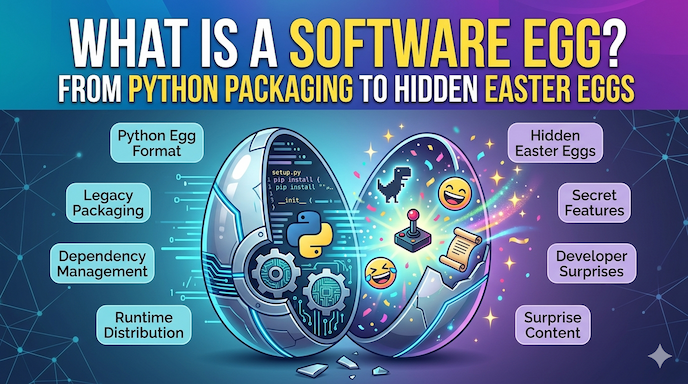
A software egg has two meanings. First, it can be a Python .egg file. This is an old format used to package and install Python libraries. Second, it can be a software Easter egg. This is a hidden feature or message that developers put inside a program on purpose.
Both meanings are important parts of software history. They show how coding has changed over time.
This guide will explain everything in very simple words. You do not need to be an expert. We will cover the old Python packaging side and the fun hidden surprise side. By the end, you will understand why software egg appears in searches and what it really means.
The Technical “Egg”: Understanding the .egg Format
What is a Python Egg?
A Python egg is an old way to bundle Python code so other people can use it easily.
Think of it like a box. Inside the box, you put your code, some information about the code, and a list of other things the code needs to work. This list helps stop problems called “dependency hell” — when different pieces of code fight with each other because they need different versions.
The .egg format came around 2004. It was made popular by a tool called setuptools. This tool also brought easy_install, an early way to add new Python packages.
In short, A software egg was a helpful box for sharing Python code in the early days.
The Anatomy of an Egg – Simple Breakdown
A Python egg can look like two things:
- A single zipped file with the .egg ending.
- Or a normal folder on your computer.
Inside this box, you usually find:
- The actual Python code files.
- A special folder called EGG-INFO. This folder holds important details like the name, version, and what other packages are needed.
When you add the egg to your computer, Python can find and use the code inside it. That was a smart idea at the time.
Setuptools egg files also let packages add extra features to other tools. This was useful for big projects.
Limitations of Eggs
Even though eggs helped a lot, they had problems:
- They sometimes made dependency problems worse instead of fixing them.
- Installing them could run hidden code, which is not safe.
- They were never an official standard, so they did not always work the same way.
- They were slower and did not work well on every computer or every version of Python.
Because of these issues, the Python community looked for something better. Today, you will not see new eggs added to the main package site. The old format is now called legacy.
Many people search for advantages and disadvantages of Python .egg files or Python legacy packages when they find old code.
The Evolution: Eggs vs. Wheels
The Rise of Wheels (.whl)
In 2012, a new format arrived. It is called a wheel and ends with .whl.
This change came with a clear rule called PEP 427. The official Python packaging group supported it. People started using pip (the modern tool) instead of the old easy_install.
Wheels are made only for sharing. They do not run any code when you install them. This makes them much safer.
Why Wheels Replaced Eggs
Wheels are better in many ways:
- They are safer because they do not run secret code during install.
- They install faster because many parts are already ready.
- They work on more types of computers and Python versions.
- They have clearer information inside.
That is why most people now ask why Python moved from eggs to wheels. The answer is simple: the new way is safer, faster, and more reliable.
Here is an easy comparison table:
| Feature | Software Egg (.egg) | Software Wheel (.whl) |
| How do you install it | Used old easy_install | Uses modern pip |
| Runs code on install | Sometimes yes | Never |
| Speed | Slower | Faster |
| Safety | Can have risks | Much safer |
| Works on many systems | Not always | Yes, very good |
| Current status | Old and not recommended | Modern standard |
This table helps when you search for the difference between egg and wheel in Python or .egg vs .whl.
Timeline – How Things Changed
- 1979: First famous hidden surprise (software Easter egg) appears in a game.
- 2004: Python eggs arrive with setuptools to help share code.
- 2012: Wheels arrive and start to replace eggs.
- Today, almost everyone uses wheels. Eggs are only in very old projects.
You may still see Python egg file in old company systems or older tools like Zope and Plone. In those cases, people learn how to convert Python eggs to wheels to make things modern again.
Python packaging formats explained for beginners usually cover this change from old eggs to new wheels.
The Cultural “Egg”: Software Easter Eggs
What is a Software Easter Egg?
Now let’s talk about the fun meaning.
A software Easter egg is a secret feature or message that developers hide inside a program. It is not needed for the program to work. It is just there for surprise and joy.
Three simple rules for a real Easter egg:
- It must be hidden (you have to look for it).
- It must be put there on purpose.
- It should be harmless and fun.
These hidden features in applications make using software more exciting.
A Brief History of Digital Secrets
The idea started a long time ago. The most famous early example is from 1979.
A game designer named Warren Robinett worked on a game called Adventure for the Atari game console. The company did not give credit to the people who made the games. So Robinett hid a secret room in the game. If you found a tiny invisible dot and carried it to the right place, you saw the words “Created by Warren Robinett.”
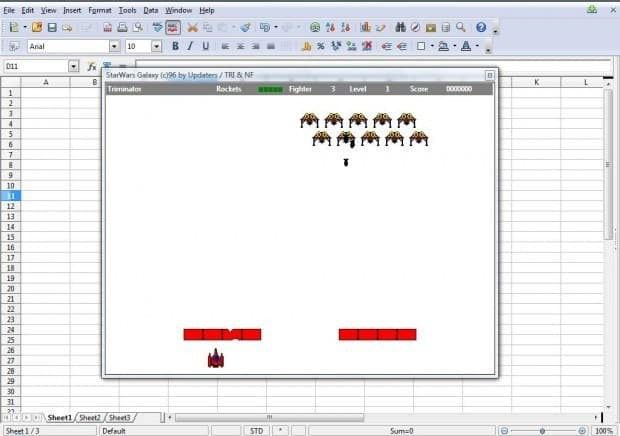
When players found it, the story spread. People started calling these hidden surprises “software Easter eggs.” Developers added them for fun, to get credit, or to show their creativity.
Famous Modern Examples
You can still find Easter eggs today:
- On Android phones: Go to Settings, tap “About phone,” and tap the version number many times. A fun animation or game often appears.
- Google search has many hidden tricks and small games.
- Some creative apps have secret shortcuts or funny messages.
People love searching for examples of software Easter eggs in apps or learning how to find hidden features in software.
The Decline of Easter Eggs
Big companies are now very careful about safety. They do not want any hidden code that might cause problems. Strict testing rules also make it harder to add surprises.
But small teams and hobby projects still add them sometimes. The playful spirit is still there in many places.
History of software Easter eggs and what is an easter egg in software are popular searches for people who enjoy tech fun.
How to Handle “Software Eggs” Today
For Developers – Simple Steps
If you work with Python, follow these easy tips:
- Do not use .egg for any new project.
- If you have old code in egg format, change it to wheel.
- Use the modern tool called pip and a file called pyproject.toml.
- Follow the official Python packaging rules.
Quick tip: Install the wheel tool and run a simple command to build a new wheel file. Test everything after you change it.
This helps with managing legacy Python packages and Python dependency management.
For Curious Users – Safe Fun
Want to find hidden features?
- On your Android phone, try tapping the version number.
- In your favorite app or browser, search online for “[app name] easter eggs”.
- Only use safe, official ways. Never change files in risky ways.
Safe exploration keeps the joy without any danger.
For more helpful tech ideas, you may like these simple guides:
FAQs
What is a software egg?
A software egg has two meanings. It can be a Python .egg file, which is an old way to package and distribute Python code, or a software Easter egg, which is a hidden feature or message inside an app or game.
What is a Python egg file used for?
A Python egg file is used to bundle code, metadata, and dependencies into a single package so it can be easily shared and installed in other Python projects.
Are Python egg files still used today?
Python egg files are now considered legacy. Most developers use modern formats like wheels (.whl) with tools like pip for better performance and security.
What is the difference between egg and wheel in Python?
The main difference is that wheels are faster, safer, and standardized. Eggs may run code during installation, while wheels do not, making wheels more secure and reliable.
Conclusion
A software egg shows two sides of the same world.
The Python .egg file was an early try to make sharing code easier. It helped with Python module distribution and setuptools egg ideas. Over time, it was replaced by the safer and faster wheel format. This change shows how software keeps getting better and more professional.
At the same time, software Easter eggs remind us that real people write the code. They add little surprises to bring smiles and show creativity.
Software keeps moving toward speed and safety. But it never completely loses its fun, playful side.
Software evolves toward efficiency — but never fully loses its playful side.