Loot Boxes and Legal Issues Explained in 2025
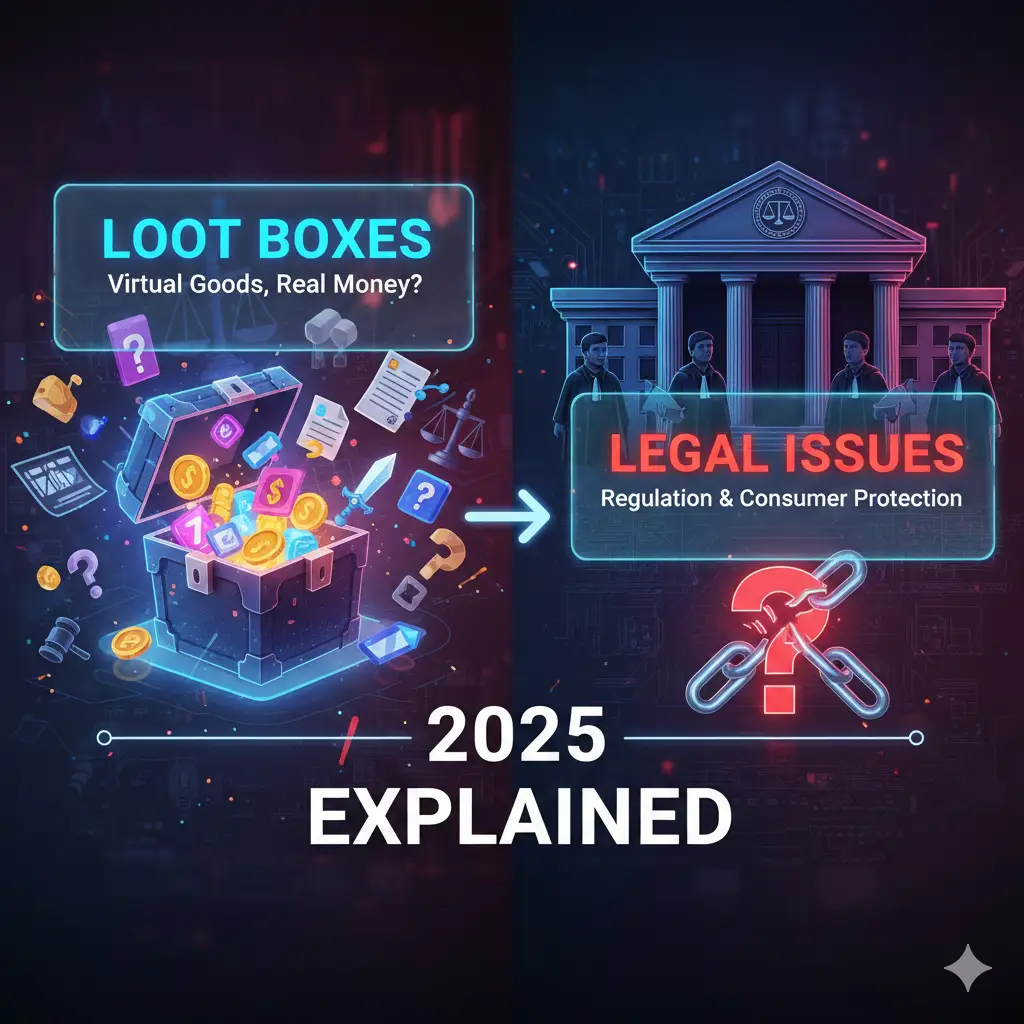
Loot Boxes and Legal Issues Explained helps you understand a hot topic in video games. Loot boxes are virtual boxes that give random rewards, like skins or weapons, when you buy them with real money. They’re fun for some but worry others because they act like gambling. Countries like the US, UK, Belgium, and the Netherlands have different rules about them. In 2025, the global gaming market is worth $211 billion, and loot boxes are a big part of it, says Newzoo. This guide breaks down loot box regulations and why they matter. Let’s dive into the laws, concerns, and what’s next for gamers and parents1.
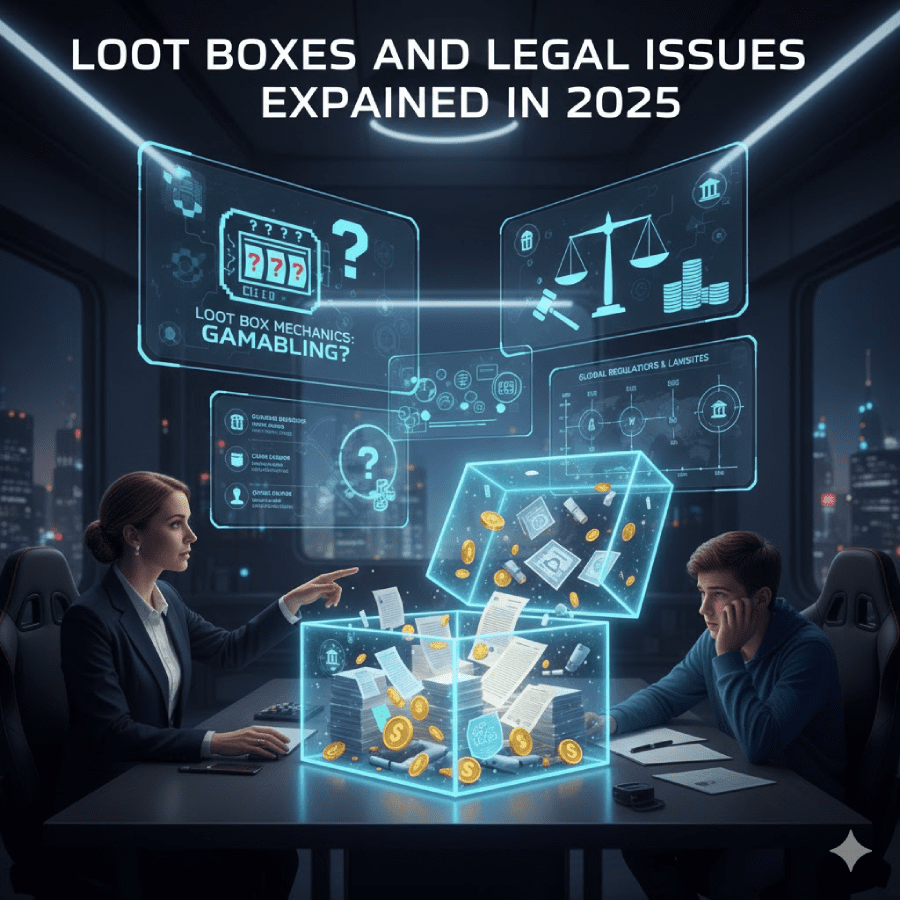
What Are Loot Boxes and Why Are They Controversial?
Loot boxes are in-game items you buy or earn that give random rewards. Think of them as mystery boxes in games like FIFA or Overwatch. You might spend $5 and get a rare item—or nothing special. This randomness makes legal concerns of loot boxes a big deal. Some say they’re like slot machines, which can hook kids or lead to overspending. A 2020 study by the European Parliament found loot boxes may cause gambling-like harm, especially for young players.The controversy grew because kids can easily spend money on them. Parents worry about big bills or addiction. Countries started asking if loot boxes should follow loot box gambling laws. Game companies say they’re just fun surprises, but regulators want clearer rules. This debate shapes how games are made and sold.
Loot Box Laws in the United States
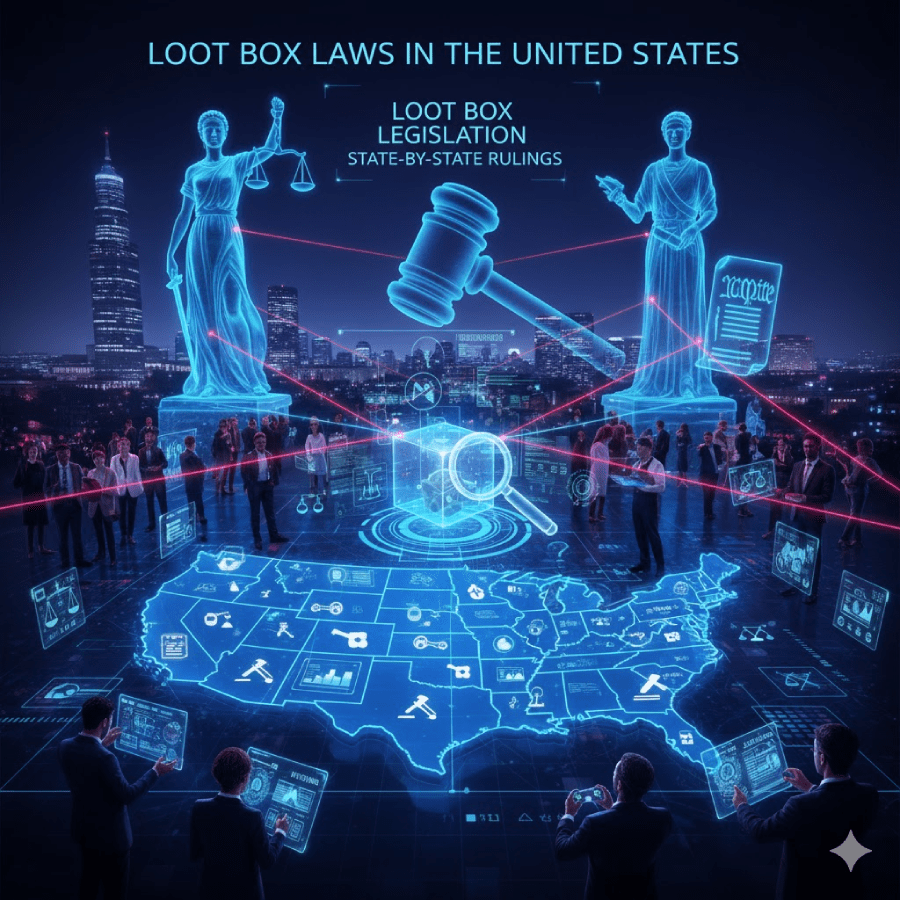
The US doesn’t have one big law for video game loot box rules. Instead, each state decides what counts as gambling. In 2019, a bill called the Protecting Children from Abusive Games Act tried to ban loot boxes for kids, but it didn’t pass. The Federal Trade Commission (FTC) looked at loot boxes in 2020 and said they might harm kids. In 2025, a company called Cognosphere paid a $20 million fine for breaking kids’ privacy laws with loot boxes, says Norton Rose Fulbright.Some states, like Hawaii, tried their own loot box laws but failed. Courts often say loot boxes aren’t gambling if you can’t cash out rewards for real money. Still, loot box consumer protection is a growing concern. The US might see stricter rules soon as parents and lawmakers push back.
Loot Box Regulations in the United Kingdom
The UK follows the Gambling Act 2005, which says loot boxes aren’t gambling because you can’t turn rewards into real money. This keeps gaming loot box legislation light. In 2023, the UK’s game industry group, UKIE, made 11 rules for loot boxes, like showing odds of rewards. But some groups, like the House of Lords, want tougher loot box laws. They say kids need more protection.A 2020 UK report linked loot boxes to problem gambling. The government is watching but hasn’t made new laws yet. For now, companies must be clear about what’s in loot boxes. Loot box consumer protection rules may grow stricter if companies don’t follow these guidelines.
Strict Rules in Belgium and the Netherlands
Belgium has some of the toughest loot box regulations. In 2018, the Belgian Gaming Commission said paid loot boxes are gambling because they use chance. Games like FIFA had to remove loot boxes or stop selling in Belgium. Companies face fines up to €800,000 or jail time if they don’t follow loot box gambling laws. But enforcement is weak, and some games still offer loot boxes, says GamesIndustry.biz.The Netherlands also called loot boxes gambling in 2018. They fined EA €5 million for FIFA’s loot boxes, but a 2022 court said they’re part of the game, not gambling. Now, the Netherlands wants a full ban by 2026. These countries lead in digital game monetization legal issues but show how hard it is to enforce rules.
The European Union’s Approach to Loot Boxes
The EU doesn’t have one law for video game loot box rules. Each country makes its own. Belgium and the Netherlands ban paid loot boxes, while France says they’re okay if rewards stay in the game. A 2023 European Parliament report asked for one EU rule to protect kids from legal concerns of loot boxes. They want clear info on loot box odds and spending limits.The EU’s Digital Fairness Act, expected by late 2025, might add new loot box consumer protection rules. For now, companies must follow local laws, which makes things tricky. The EU focuses on keeping kids safe and making sure players know what they’re buying. This could change how games work across Europe.
Why Loot Boxes Worry Parents and Regulators
Loot boxes raise red flags because they act like gambling. A 2020 study showed kids who buy loot boxes may develop gambling habits. Loot box consumer protection is a big issue since kids can spend hundreds without parents knowing. In the UK, 92,000 kids regretted game purchases, says a 2024 UNICEF report. This pushes for stronger gaming loot box legislation.Regulators also worry about mental health. Random rewards can feel addictive, like pulling a slot machine. Companies like EA now show loot box odds, but critics say it’s not enough. Parents want loot box age restrictions to stop kids from overspending.
How Game Companies Respond to Loot Box Laws
Game companies handle loot box regulations differently. In Belgium, EA stopped selling FIFA Points, while Nintendo pulled games like Animal Crossing from stores. Some, like Valve, block loot boxes for Dutch and Belgian players. Others add warnings or show reward odds to meet loot box consumer protection rules.Companies argue loot boxes are just part of the game, not gambling. But they’re adapting to avoid fines. For example, Supercell removed loot boxes from Brawl Stars to follow Finland’s proposed laws. These changes show digital game monetization legal issues are pushing companies to rethink how they make money.
Tips for Gamers and Parents on Loot Boxes
Stay safe with these loot box laws tips:
- Check Game Ratings: Look for PEGI or ESRB labels about in-game purchases.
- Set Spending Limits: Use parental controls on consoles or app stores.
- Read Odds: Check if games show loot box reward chances.
- Talk to Kids: Explain why loot boxes can be risky.
- Monitor Spending: Watch credit card bills for surprise charges.
- Know Local Laws: Learn your country’s video game loot box rules.
- Report Issues: Contact consumer groups if games seem unfair.These steps help you enjoy games while staying safe from legal concerns of loot boxes.
Loot Boxes and Legal Issues Explained: Global Trends
Loot Boxes and Legal Issues Explained shows a world split on rules. Belgium bans paid loot boxes, while the US and UK lean on industry guidelines. The EU wants one law, but it’s slow coming. Gaming loot box legislation is growing as kids’ spending worries parents. In 2025, expect more countries to add loot box age restrictions or bans. Game companies will keep adapting, maybe using battle passes instead. Stay informed to play smart and safe. What do you think about loot box laws in your country?
FAQs About Loot Boxes and Legal Issues Explained
What Are Loot Boxes and Legal Issues Explained?
Loot Boxes and Legal Issues Explained covers rules for random reward boxes in games. Some countries, like Belgium, call them gambling and ban them. Others, like the UK, use soft rules. Loot box regulations protect kids from overspending. Laws differ by country, causing debates. The EU wants one rule by 2026. Gamers and parents need to know these loot box laws.
Are Loot Boxes Considered Gambling?
Loot box gambling laws depend on the country. Belgium and the Netherlands say paid loot boxes are gambling because of random rewards. The US and UK say no if rewards stay in-game. Legal concerns of loot boxes focus on kids and addiction. Courts often check if items have real money value. Laws may tighten soon.
How Do Loot Box Laws Protect Kids?
Loot box consumer protection aims to keep kids safe. Some countries set loot box age restrictions or ban sales to minors. The EU wants clear odds and spending limits2. Parents can use controls to block purchases. Gaming loot box legislation also pushes for warnings. These steps help stop overspending and gambling risks.
Why Do Countries Have Different Loot Box Rules?
Video game loot box rules vary because each country has its own gambling laws. Belgium bans loot boxes as gambling, while the UK allows them with guidelines. The EU lacks one law, so rules differ. Digital game monetization legal issues make it hard for companies. Global talks aim to align loot box regulations soon.
What Can Gamers Do About Loot Boxes?
Gamers can stay safe by checking loot box laws in their country. Look for games with clear reward odds. Use spending limits on accounts. Avoid games with heavy loot box focus. Report unfair practices to consumer groups. These loot box consumer protection steps keep gaming fun and safe.
Conclusion
Loot Boxes and Legal Issues Explained helps you understand a hot topic in video games. Loot boxes are virtual boxes that give random rewards, like skins or weapons, when you buy them with real money. They’re fun for some but worry others because they act like gambling3. Countries like the US, UK, Belgium, and the Netherlands have different rules about them
References
- Loot Boxes: A Global Legal Analysis – Details global loot box laws and regulatory differences. ↩︎
- Loot Boxes in Video Games – UK perspective on loot box debates and regulations. ↩︎
- Legal Considerations for Loot Boxes – Explains legal risks and compliance for game developers. ↩︎