Freemium vs Paid Apps: Choosing the Best Monetization Strategy for Your App
App developers and startup founders often wonder about the best way to make money from their creations. The big question is freemium vs paid apps. This choice can decide if your app grows fast or earns quick cash. In freemium vs paid apps, freemium means users get the app for free with basic features. They can pay later for more advanced options, like removing ads or unlocking tools. Paid apps, also known as premium, ask for money upfront to download and use everything.
This debate matters more than ever in 2025. Stats show that about 95-97% of apps on the App Store and Google Play are free or freemium. Yet, these free apps bring in over 95% of all app revenue through upgrades and ads. Pure paid apps are rare, making up less than 5%. Developers, product managers, growth marketers, and even students search for freemium vs paid apps to find the right fit. This long guide explains everything in simple words. You will see pros, cons, examples, stats, and tips to help you choose.
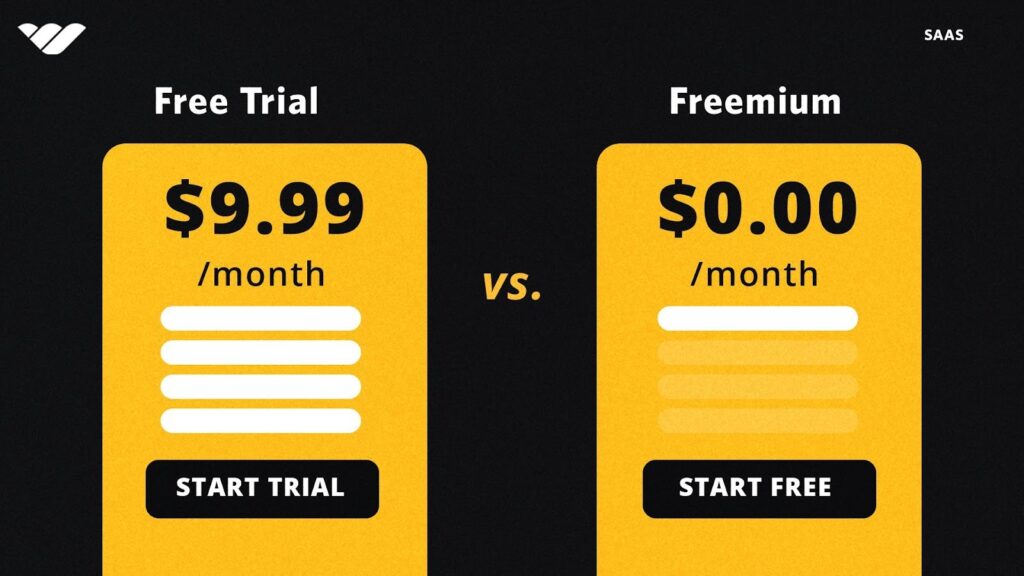
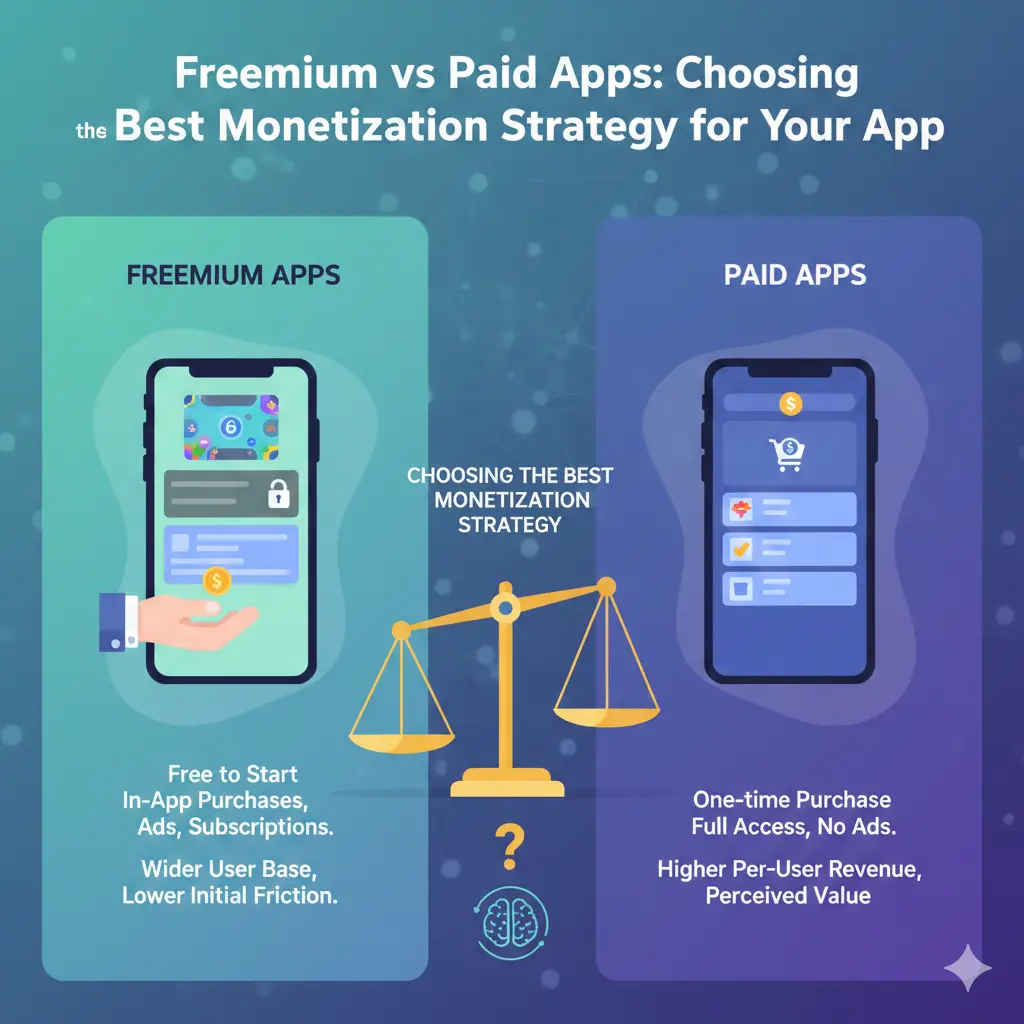
These images show simple comparisons of freemium vs paid apps. They highlight key differences like cost, user base, and revenue.
What Is the Freemium Model?
First, let’s answer what is freemium model. The word “freemium” comes from “free” and “premium.” Users download the app at no cost. They use basic features right away. To get extras, they pay. This can be through subscriptions, one-time buys, or ads removal.
Many popular apps use this. Freemium apps examples include Spotify, Duolingo, Dropbox, and Candy Crush. Spotify lets you listen to music for free with ads and limited skips. Pay for premium to get no ads, offline downloads, and better sound. Duolingo teaches languages free but charges for no ads and special lessons.
In 2025, freemium is huge. Over 97% of Android apps are free, most using freemium. This helps apps get millions of downloads fast. People like trying things without paying first.
Here are the main pros of freemium:
- Gets lots of users quickly because it’s free.
- Lets people test the app before buying.
- Can make money over time from many small payments.
- Helps get feedback to improve the app.
But there are cons too:
- Only 2-5% of users usually pay to upgrade.
- Costs money to support all free users.
- Hard to decide what to keep free and what to charge for.
- Some users get mad if free features feel limited.
Many on freemium vs paid apps reddit say freemium is great for growth but needs good plans to make users pay.
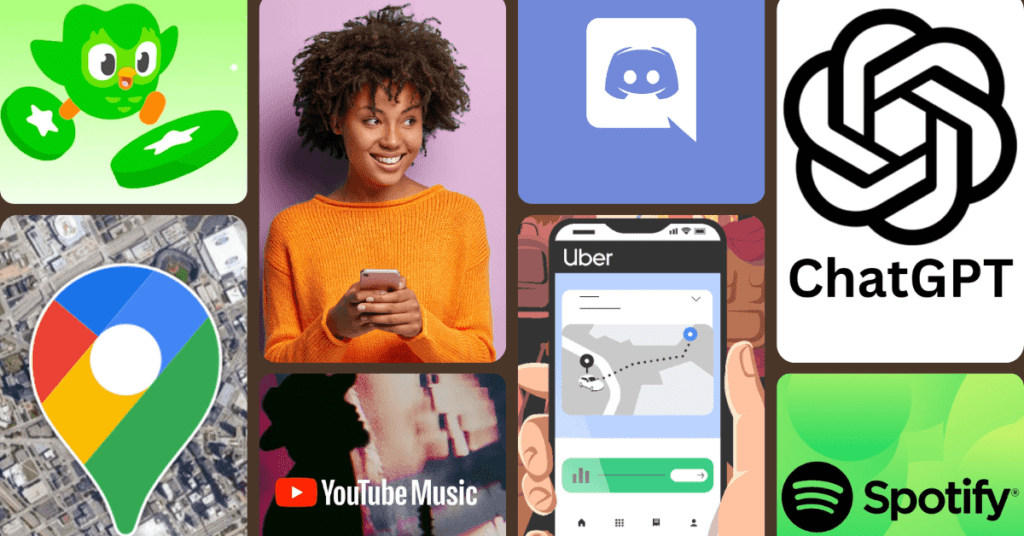
These pictures show top freemium apps examples like Spotify and Duolingo in action.
What Are Paid (Premium) Apps?
Paid apps charge money before you can download or use them fully. You pay once or subscribe, and you get all features. No ads or limits.
A premium apps list for 2025 includes Minecraft, Procreate, Geometry Dash, and Nova Launcher. Minecraft is a one-time buy for endless building and play. Procreate costs about $13 and gives pro tools for drawing on iPad.
This model works best for apps with clear high value. Users who pay are serious and stick around longer.
Pros of paid apps:
- You get money right when someone buys.
- Users think it’s high quality because they paid.
- No need to push upgrades inside the app.
- Users often give good reviews and stay loyal.
Cons:
- Fewer people download because of the cost.
- Hard to let people try it first.
- Revenue is mostly one-time, not ongoing.
- Need strong marketing to stand out.
In freemium vs paid apps ios and freemium vs paid apps for android, paid apps do well in games, art, and tools where people want full access without interruptions.
Here are visuals of premium hits like Minecraft and Procreate.
Key Differences in Freemium vs Paid Apps
Let’s compare them side by side.
| Feature | Freemium | Paid (Premium) |
| Cost to Start | Free | Pay upfront |
| User Numbers | Very large | Smaller but dedicated |
| When You Earn | Over time from upgrades | Right away |
| Need Conversions? | Yes, free users to payers | No |
| Best For | Apps with wide appeal, daily use | Special tools, games, niche apps |
| Revenue in 2025 | Over 95% of total app money | Less than 5% |
Freemium wins for big scale. Paid wins for quick earnings and happy users.
In 2025, freemium brings higher average revenue per user in some cases, up to $4.50 vs $1.50 for paid.
Real-World Examples and How They Succeed
Look at successful freemium apps examples:
- Spotify: Free with ads, premium subscription for extras. It has millions of paying users.
- Duolingo: Free lessons, pay for ad-free and more hearts.
- Dropbox: Free storage, pay for more space and features.
- Candy Crush: Free play, buy lives or boosts.
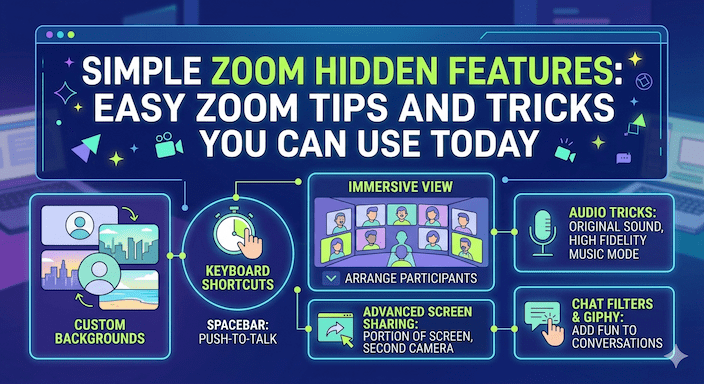
- Zoom: Free meetings with limits, pay for longer ones.
These apps hook users with free value, then show why premium is better.
Now, premium apps list successes:
- Minecraft: Paid once, endless fun. One of the top-selling ever.
- Procreate: One-time fee for pro art tools. Artists love it.
- Geometry Dash: Pay for challenging levels.
- Nova Launcher: Customize Android home screen fully.
- Stardew Valley: Paid farming game with deep story.
These earn from committed fans who want no limits.
Many apps mix models, like free and freemium with some paid options.
Factors to Think About When Choosing Freemium vs Paid Apps
Your choice depends on several things.
- Who Your Users Are: Casual and many? Freemium. Experts in a small group? Paid.
- Type of App: Social, music, games with daily play? Freemium. Art tools, offline games? Paid.
- What Others Do: If competitors are free, freemium helps compete.
- Your Goals: Want fast growth and big users? Freemium. Need money soon? Paid.
- Your Team Size: Can you support millions of free users? Freemium needs more work.
Key numbers to watch:
- Cost to get a user (CAC): Lower with freemium spread.
- Value over time from one user (LTV): Often higher in freemium with good upgrades.
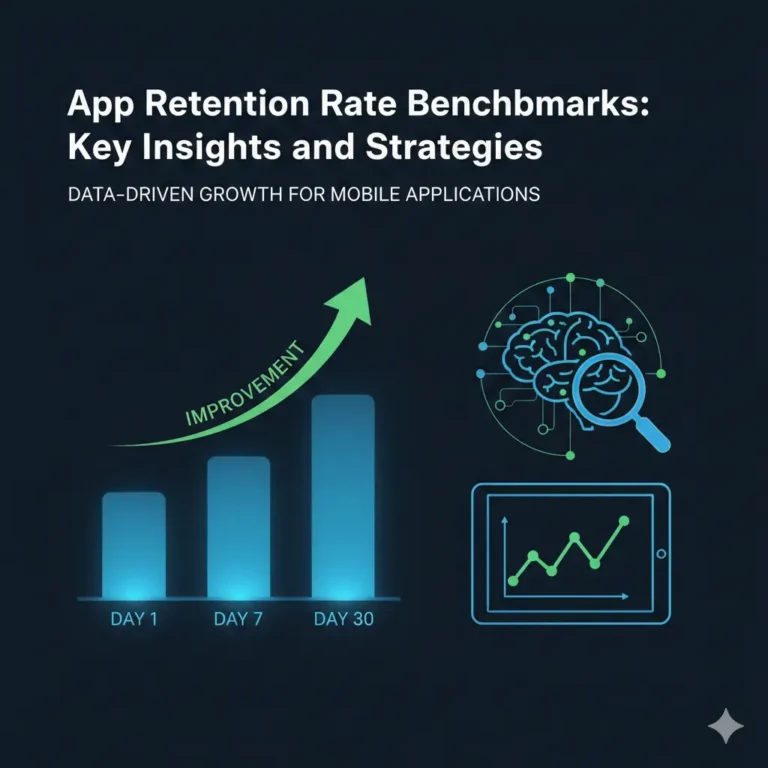
- How many stay (Retention): Better in paid.
- Conversion rate: 2-5% average for freemium.
Experts at Arbisoft say look at these metrics closely.
Choicely adds that freemium scales big, paid feels exclusive.
Detailed Pros and Cons
More on Freemium Pros
- No risk for users, so more try it.
- Many ways to earn: ads, subs, buys.
- Viral growth from sharing.
- Data from free users helps improve.
Freemium Cons in Depth
- Low upgrade rate means need huge users.
- Server costs high for free crowd.
- Risk of bad reviews from limited free.
- Takes time to see revenue.
Paid Pros in Depth
- Users committed from start.
- Feels premium and trusted.
- Simple business, no complex sales inside.
- Higher satisfaction often.
Paid Cons in Depth
- Hard to convince without trial.
- Marketing costs more.
- Limited to users willing to pay upfront.
- Growth slower.
On freemium vs paid apps reddit, developers share stories of freemium growth but paid less stress.
Other options include free freemium paid paymium and subscription. Paymium is paid download plus in-apps.
Freemium meaning in urdu: مفت آور پریمیم کا مرکب – free with paid upgrades.
Sites like premiumapps.site offer deals, but focus on your strategy.
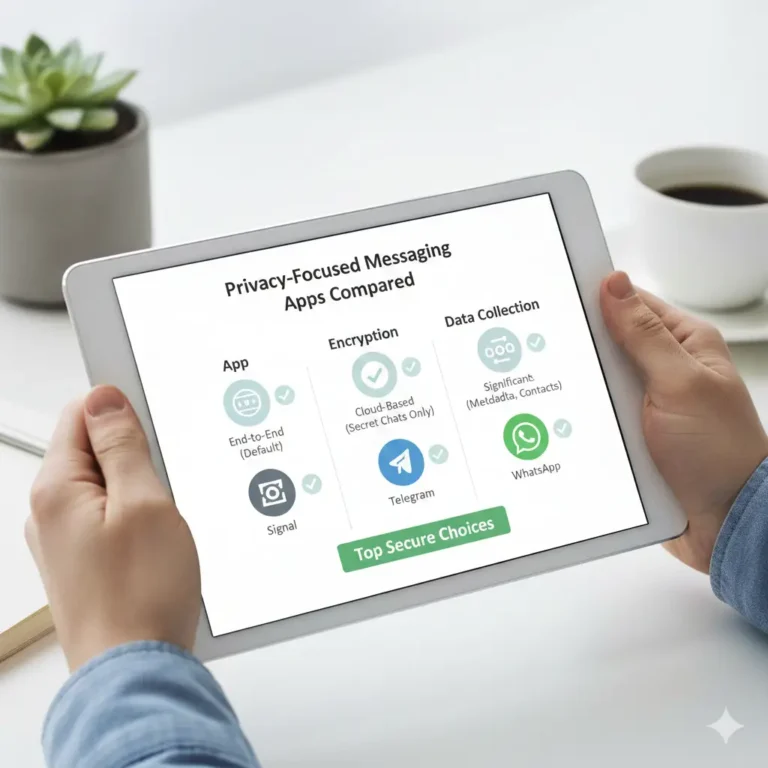
For related tech, see privacy messaging apps. Or debug code at Flutter fix.
Tips to Succeed with Either Model
For Freemium Success
- Give real value in free version.
- Show upgrade benefits clearly but nicely.
- Use emails or notifications to remind.
- Track how users behave to improve upsells.
- Add fun elements like rewards.
For Paid Success
- Make great demos or video1s.
- Offer money-back guarantee.
- Update often to keep value high.
- Build community around the app.
- Price fairly for your niche.
Tips for Both
- Study your market well.
- Test prices and features.
- Listen to user feedback.
- Follow app store rules.
- Watch trends like AI pricing.
Avoid common mistakes in freemium vs paid app like too many ads or bad balance.
Trends in App Monetization for 2025 and Beyond
2025 brings exciting changes.
- Subscriptions grow, even in freemium.
- Hybrids mix ads, subs, and buys.
- AI helps personal offers and prices.
- More usage-based, like credits for AI features.
- Ads smarter with privacy focus.
In-app ads market hits $390 billion. Subscriptions drive most revenue.
Many apps move to hybrids for best results.
Freemium academy style learning apps use this well.
Common Questions About Freemium vs Paid Apps
What is the main difference between freemium vs paid apps?
Freemium vs paid apps starts with cost. Freemium apps are free to download and use basic features. You pay later for extras like no ads or advanced tools. Paid apps, or premium, require money upfront to get the full app. No hidden costs later.
What is freemium model?
The what is freemium model blends “free” and “premium.” Users get core features for free. Companies earn from upgrades, subscriptions, or ads. It’s popular because people try before buying.
Which is more common in 2025: freemium or paid apps?
Freemium dominates. About 95-97% of apps on App Store and Google Play are free or freemium. Pure paid apps are under 5%. Free downloads make up over 90% of installs.
Do freemium apps make more money than paid apps?
Often yes. In 2025, freemium brings over 95% of app revenue through in-app buys and subs. Average revenue per user can hit $4.50 for freemium vs $1.50 for paid. But it needs many users—only 2-5% usually pay.
What are good freemium apps examples?
Top freemium apps examples include Spotify (free with ads, pay for premium), Duolingo (free lessons, pay for ad-free), and Dropbox (free storage, pay for more).
What are examples from a premium apps list?
Strong premium apps list includes Minecraft (one-time buy for full game), Procreate (paid for pro drawing tools), and Geometry Dash.
Conclusion
In conclusion, freemium vs paid apps has no one winner. In 20252, freemium leads for most apps with huge growth and ongoing revenue. Paid works great for special, high-value apps with loyal users. Look at your app type, users, and goals. Test and learn from data. Both can make you successful with the right plan. What model are you thinking for your app? Share your thoughts!
References
- Choicely Blog – Deep comparison, helps growth marketers and strategists. ↩︎
- Arbisoft Blog – Great guide on choosing models, metrics for developers and product managers. ↩︎