Clean Code Principles With Real Examples: Easy Ways to Write Better Code
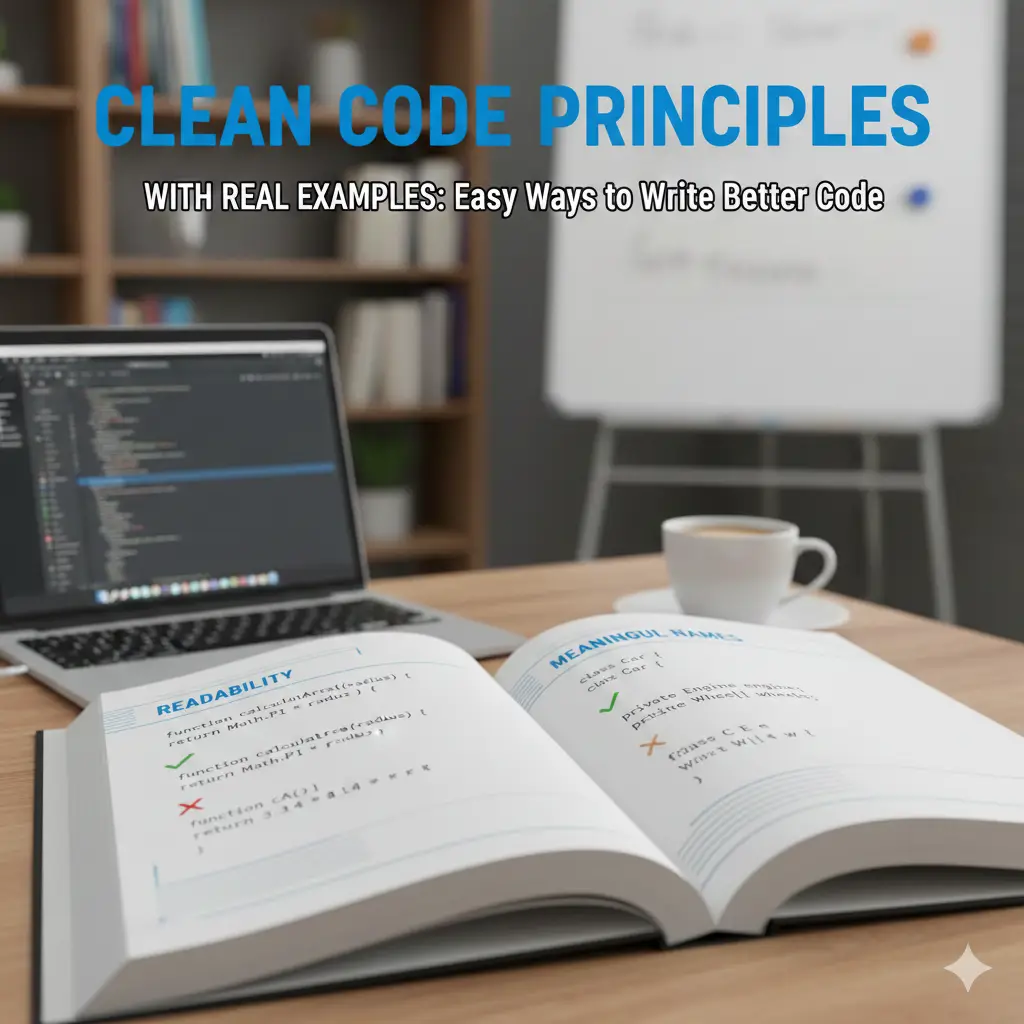
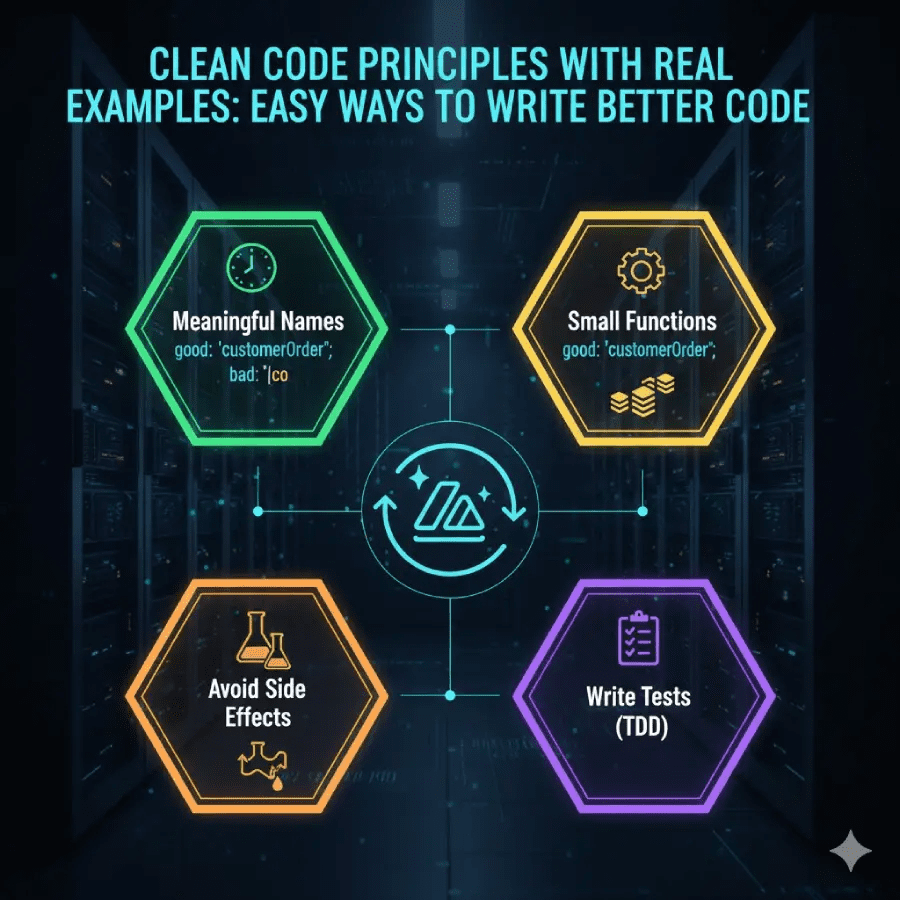
Good code is easy to read and fix. Clean Code Principles With Real Examples help you make code like that. Clean code saves time for you and your team. It cuts bugs and makes changes fast. Many devs learn these rules from books and work. In 2025, clean code is key for big apps. Bad code costs money and stress. This guide shows the main rules with real cases. You will see bad code and good code side by side. New devs can start here. Pros can check their ways. Clean Code Principles With Real Examples make you a better coder.
Why Use Clean Code Principles
Clean code principles make your work clear. Other devs read it fast. No guess what it does. Clean code has fewer bugs. Easy to add new things. Teams work better. Stats show clean code cuts fix time by 50%. In big projects, bad code grows debt. Hard to pay later. Clean code principles stop that. They teach simple habits. Like good names and small parts. Start small. One rule at a time. Soon code looks pro. Bosses like it. Users get good apps. Clean code is fun to write too. You feel proud. Many big firms ask for clean code in hires. Learn these for a good job.Good names help most. Bad names are confusing. Clean code reads like a story. No need for comments much. Comments lie sometimes. Code tells the truth. Clean code principles build trust in the team.
Rule 1: Use Meaningful Variable and Function Naming
Meaningful variable and function naming is the top rule. Good names tell what it does. No need to look inside. Bad example: var d = 5; // days. Good: var daysSinceLastLogin = 5;. Bad function: function calc(a, b) {}. Good: function calculateUserAge(birthYear, currentYear) {}. Real case: In shop app. Bad: getP(). Good: getProductPrice(). The team knows fast. No ask what p means.Another case: Loop var is bad if many. Use index or userIndex. Long names ok if clear. Short of a bad guess. Tools check names now. But think first. Meaningful variable and function naming saves hours. New devs learn quickly. Pros spot bugs fast.
Rule 2: Follow DRY (Don’t Repeat Yourself) Principle
DRY (Don’t Repeat Yourself) principle means no copy code. Same thing in one place. Change is easy. Bad example: Same tax calc in three spots. Change tax rate hunt all. Good: One function calculateTax(amount) {}. Call it everywhere. Real case: Email send copy in login and signup. Make sendWelcomeEmail(user) {}. ReuseIf repeated, make a function or class. DRY cuts bugs. One fix all. Code small and clean. But not too DRY. Same code diff reason ok separate. DRY (Don’t Repeat Yourself) principle balance. Think why repeat.
Rule 3: Keep KISS (Keep It Simple) Principle
The KISS (Keep It Simple) principle says simple best. No complex tricks. Easy read, easy fix. Bad example: Big if nest deep. Good: Small if or early return. Real case: Check user age. Bad: if (age > 0) { if (age < 120) { ok } }. Good: if (age <= 0 || age >= 120) return false; return true;.Simple code less bugs. I quickly understood. New team members quickly start. KISS (Keep It Simple) principle for long life code. The complex looks smart but hurts later.
Rule 4: Single Responsibility Principle from SOLID
Single Responsibility Principle says one class or function one job. Change one reason only. Bad example: Class User save DB and send email. Good: User class for data. UserSaver save. EmailSender send. Real case: Order class calc price and print invoice. Split OrderCalculator and InvoicePrinter.Easy test. Easy change. No side effects. Single Responsibility Principle base SOLID. Other SOLID goods too. But start here.
SOLID Principles in Clean Code Overview
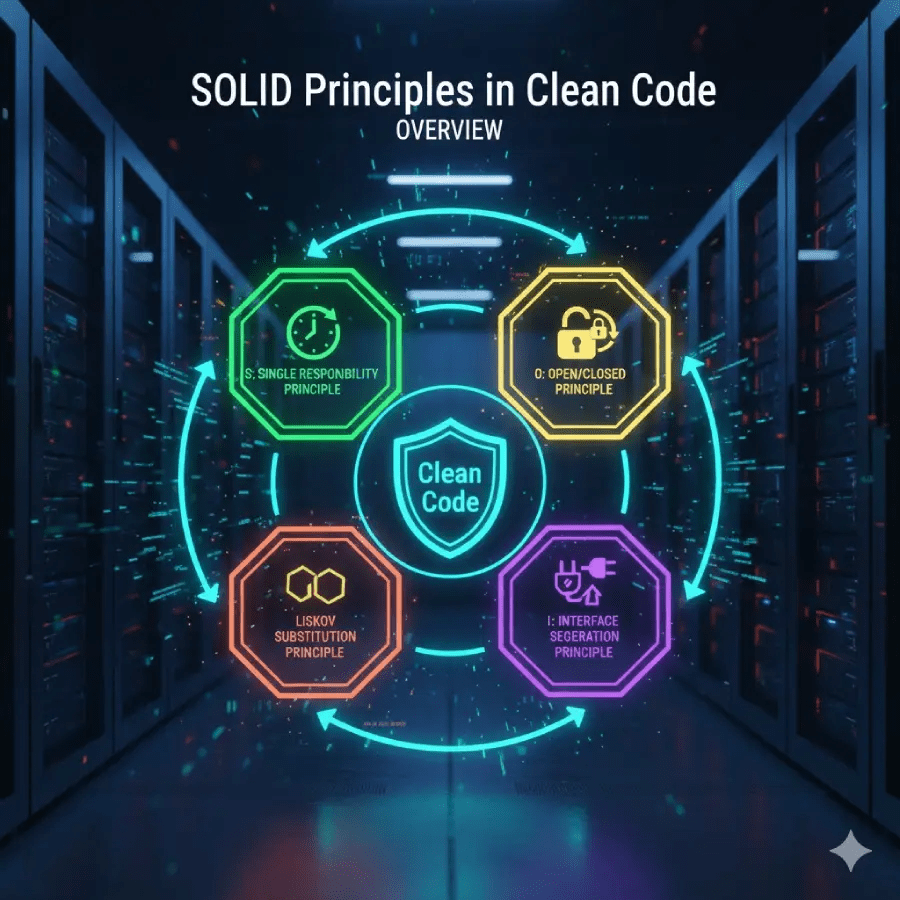
SOLID principles in clean code five rules. S single job. O open close. New add no change old. L sub types use super places. I interface small. D depends abstract not concrete. Real example: Pay system. Depend PaymentProcessor interface. Add new things like Crypto no change old.SOLID make code flex. Grow easy. SOLID principles in clean code pro level. Learn one by one.
Code Refactoring Techniques to Clean
Code refactoring techniques fix without changing work. Make it clean step by step. Bad code work but mess. Refactor small safe. Tools help auto. Real case: Long function. Split small ones. Name good. Test run same.Refactor often. Little time. Big pay. Code refactoring techniques keep code fresh.
Reduce Technical Debt with Clean
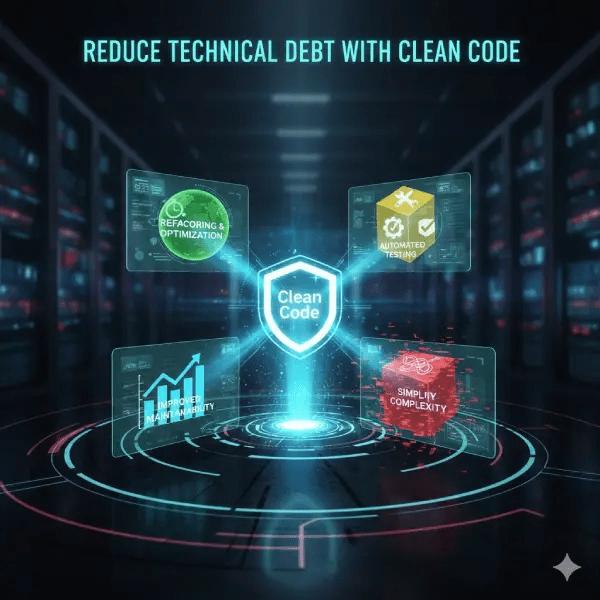
Technical debt bad code will be fixed later. Clean code, no debt. Or low. Pay small often. Like brushing my teeth. Reduce technical debt, write clean news. Fix old slow. Team time for cleaning.No rush, bad code. Reduce technical debt, happy team.
Make Modular and Reusable Code
Modular and reusable code parts use many places. Like Lego. Build fast. Change one all good. Real case: Button component UI. Use all pages. Style change one.Modules are small and clear. Modular and reusable code saves time.Spot Code Smells and FixesCode smells signs bad. Like long functions. Big class. Many params. Fix split or group. Real example: Function 200 lines. Split 5 small. Easy read.Fix smells early. Code smells and fixes keep clean.
Clean vs Messy Code Examples
Clean vs messy code examples show diff. Messy: var x = data.filter(d => d.age > 18).map(d => d.name); Clean: const adults = getUsersOver18(users); const names = getNames(adults);Clean tell story. Messy hard follow. Clean vs messy code examples teach fast.Writing Clean Code HabitsWriting clean code daily habits. Name first. Small function. Test writing. Review my own. Ask friends to read. Writing clean code practice.Tools format auto. But think of you.
Clean Coding Best Practices List
Clean coding best practices include comment why not what. Code self explain. Short lines. Good indent. No magic numbers. Const for fixed.Follow the style guide team. Clean coding best practices have the same look.Readable and Maintainable Code TipsReadable and maintainable code clear flow. No deep nest. Early return. Guard clauses. Real case: if (user == null) return; no else deep.Future you thank. Readable and maintainable code long life.
Software Code Quality Principles More
Software code quality principles clean plus test cover. Fast run. Secure. Good error1. Software code quality principles full of good apps.Start clean. Add rest.Clean Code Guidelines for TeamsClean code guidelines team agree rules. Like name style. Function size max. Review must. Clean code guidelines all the same.Happy team. Less fight.
Professional Coding Standards to Know
Professional coding standards clean plus doc. Commit message good. Branch rule. Professional coding standards pro work.Jobs ask.Code Readability Techniques EasyCode readability techniques space good2. Blank lines group. Order logic top bottom. Code readability techniques read like a book.No jump.
Maintainable Software Design Long
Maintainable software design layers clear. UI separate logic. Logic separate data. Maintainable software design changes easily.Grow safe.Code Quality Improvement StepsCode quality improvement start review old. Fix smells. Add a test. Train team. Tools check auto. Code quality improvement ongoing.Better always.
FAQs About Clean Code Principles With Real Examples
What are main Clean Code Principles With Real Examples for new devs?
Main Clean Code Principles With Real Examples are good names, DRY no repeat, KISS simple, single job. Example: bad var x = 10; good maxLoginAttempts = 10;. Bad copy code. Good one function calls many. These make code easy to read and fix for new devs.
How meaningful variable and function naming help?
Meaningful variable and function naming tell what to do without looking inside. Bad calc(a,b). Good addNumbers(first, second). The team knows fast. No comments needed. Save time debugging. Meaningful variable and function naming key clean.
What does the DRY (Don’t Repeat Yourself) principle mean with case?
DRY (Don’t Repeat Yourself) principle no same code many places. Bad same email code login signup. Good one function sendEmail(user, type). Change one all good. DRY (Don’t Repeat Yourself) principle cut bugs.
Why is the KISS (Keep It Simple) principle good?
KISS (Keep It Simple) principle no complex. Simple easy fix. Bad deep if. Good early return. Less bugs. I quickly understood. KISS (Keep It Simple) principle long good code.
How does the Single Responsibility Principle work?
Single Responsibility Principle one job. Bad class User save and email. Good User data. Saver save. Sender email. Change save no touch email. Single Responsibility Principle easy test.
Conclusion: Start Clean Code Principles With Real Examples Today
Clean Code Principles With Real Examples make your code clear and strong3. Good names, no repeat, simple, one job key. Real cases show diff. Start one rule. Soon all the code is clean. The team was happy. Less bugs. In 2025, clean code must. Write proud. What rule do you try first?
References
- X-Team Principles Clean Code – Pro views and cases. ↩︎
- Axolo Core Principles of Writing Clean Code – Examples and habits. ↩︎
- Codacy Clean Code Principles – Rules with tips and why. ↩︎