20V 1000uF SMD 4 x 5.4mm Electrolytic Capacitor KiCad: Full Guide for Designers and Makers
Many PCB designers search for the 20v 1000uf smd 4 x 5.4mm electrolytic capacitor kicad when they need a small part with high capacitance for power filtering or decoupling. This tiny cylinder measures just 4mm across and 5.4mm tall. It seems perfect for compact boards in gadgets like drones, wearables, or small power supplies. Hobbyists and engineers love SMD parts because they sit flat on the board and save space. However, finding a real 1000µF capacitor at 20V in this exact size is very hard. Most suppliers do not make it because of how electrolytics work inside.
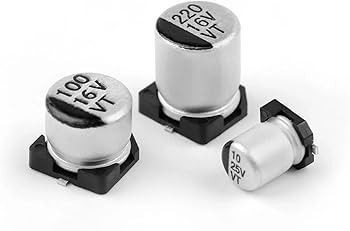
This long guide explains everything step by step. You will learn what electrolytic capacitors are, why this size limits capacitance, how to use KiCad footprints, common mistakes, and smart alternatives. It helps beginners, hobbyists, engineers, and small teams build better boards.
What Makes Electrolytic Capacitors Special
Electrolytic capacitors store a lot of energy in a small space. They use a thin oxide layer and liquid or solid electrolyte to reach high capacitance values like 1000µF. This makes them great for smoothing power in circuits.
There are two main types for SMD:
- Aluminum electrolytic – cheap and common.
- Tantalum or polymer – better performance but more costly.
SMD versions mount directly on the board surface. No holes needed. This helps make thin, dense designs.
Key parts of the spec:
- Capacitance: How much charge it holds (1000µF here).
- Voltage rating: Max safe voltage (20V).
- Size: 4 x 5.4mm – diameter x height.
- Polarity: They have a positive (+) and negative (-) side.
Connect them wrong, and they can leak or burst. Always check markings.
Why 1000µF at 20V in 4 x 5.4mm Is Rare
The inside of an electrolytic capacitor has rolled foil and electrolyte. To get high capacitance, you need more foil area or better materials. This takes space.
In real life:
- 4 x 5.4mm packages usually hold 1µF to 47µF at 50V, or up to 220µF at low voltage like 6.3V.
- For 1000µF at 16V-25V, common sizes are 8 x 10mm, 10 x 10mm, or bigger.
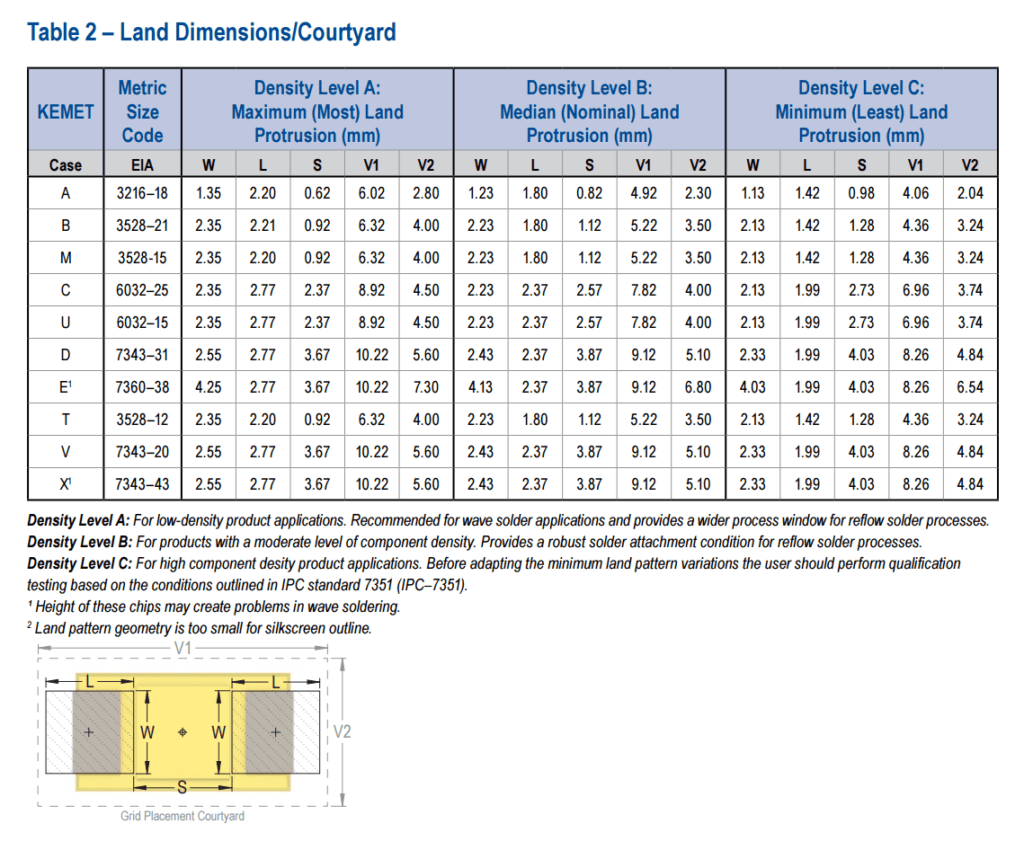
Checks from big suppliers like DigiKey, LCSC, and Mouser show no exact match. Some sites talk about it, but real parts use larger cases. For similar small caps, see thisguide on 4×5.4mm parts from ITYug2471.
Physics sets the limit. You can’t fit enough material for 1000µF safely in such a small can without risks like high heat or short life.
Important Specifications to Know
Even if the exact part is hard to find, understand these for any capacitor:
- Capacitance tolerance: Often ±20%. Value can vary a bit.
- ESR (Equivalent Series Resistance): Low ESR means less heat in fast circuits.
- Ripple current rating: How much AC current it handles.
- Temperature rating: Many work from -40°C to +105°C.
- Lifetime: Hours at max temp, like 2000 hours.
Always derate voltage. For 20V part, use in circuits under 16V for long life.
Polymer types have lower ESR and last longer. They cost more but work great in switching supplies.
How to Work with This in KiCad
KiCad is a free tool loved by hobbyists and pros. It has built-in libraries for footprints.
For a 20v 1000uf smd 4 x 5.4mm electrolytic capacitor kicad setup:
- Open your schematic.
- Add a polarized capacitor symbol (search “CP” or “C_Polarized”).
- The symbol shows + pin clearly.
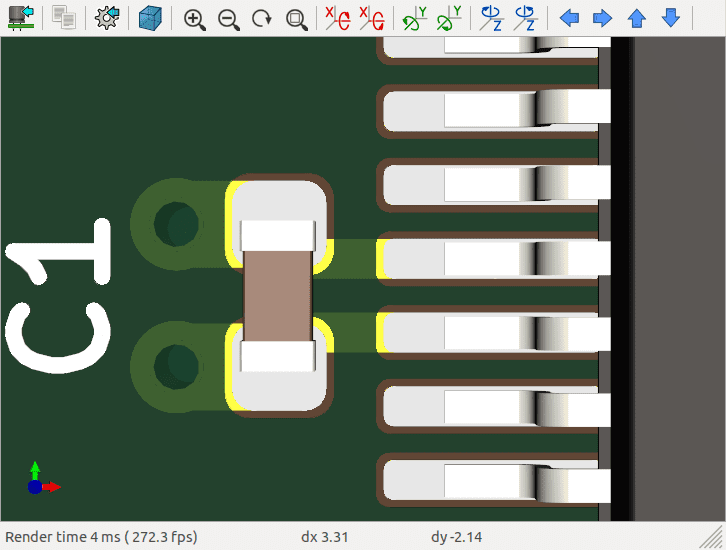
- Assign footprint: Go to Capacitor_SMD library and pick CP_Elec_4x5.4.
- In PCB editor, place it and check pads.
forum.kicad.info
The footprint has:
- Two round pads.
- Polarity mark (stripe or + sign on silk).
- Courtyard for space.
Run DRC to catch errors. View in 3D to see height.
If you use a different size part, pick a matching footprint like CP_Elec_6.3×7.7.
Step-by-Step: Adding to Your Project
Here is how to do it safely:
- Research the part: Check datasheets for real dimensions.
- Pick symbol: Use a polarized one.
- Link footprint: Search “4×5.4” in the assign tool.
- Add value: Write “1000uF 20V” in fields.
- Place on board: Orient correctly.
- Add silk marks: Extra + if needed.
- Check clearance: Leave room for height.
- Order assembly: Use JLCPCB or similar – they have libraries.
Many makers use LCSC parts with EasyEDA, then import them to KiCad. SeeAxeeTech guide for 4×5.4mm sourcing2.
For bulk small caps, look atAlibaba listings3.
Best Alternatives When the Exact Part Isn’t Available
You have many good options:
- Larger electrolytic: 1000µF 25V in 8x10mm – easy to find, cheap.
- Lower capacitance in small size: 220µF or 470µF in 4×5.4mm – often enough for decoupling.
- Parallel capacitors: Two or three smaller ones add up to 1000µF.
- Polymer capacitors: Better ESR, similar size for medium values.
- Ceramic MLCC: Many small ones in parallel for high frequency.
- Tantalum: High density but watch polarity and voltage surges.
Examples:
- For power input: Use 470µF + ceramics.
- For output smoothing: Bigger electrolytic.
Always test your circuit. Measure ripple with a scope.
What are good alternatives if I need high capacitance in a small space?
- Use a larger package like 8x10mm or 10x10mm for real 1000µF 20V-25V parts (widely available).
- Place two or three smaller caps (e.g., 470µF each) in parallel.
- Switch to polymer electrolytic caps for lower ESR and longer life (though still larger for 1000µF).
- Add ceramic MLCC caps in parallel for high-frequency filtering.
Common Problems and How to Fix Them
Beginners often face these:
- Wrong polarity: Board mark does not match part. Fix: Rotate or add notes.
- Too much heat during soldering: Hand solder carefully or use reflow.
- Vibration issues: SMD can crack – add glue for mechanical strength.
- Aging: Electrolytes dry out over time. Use polymer for longer life.
- No stock: Plan alternatives early.
Tips for success:
- Derate voltage by 20-50%.
- Keep away from hot parts.
- Use low ESR for switchers.
- Check height for enclosures.
Where This Capacitor Fits in Real Projects
Hobbyists use small SMD caps in:
- Arduino shields.
- ESP32 boards.
- Battery chargers.
- Audio amps.
Engineers pick them for:
- IoT sensors.
- Medical devices.
- Automotive modules.
Small teams save space in products like smart watches or drones.
FAQs About 20V 1000uF SMD 4 x 5.4mm Electrolytic Capacitor KiCad
What KiCad footprint should I use for a 4×5.4mm SMD electrolytic capacitor?
KiCad’s official library has CP_Elec_4x5.4 or C_Elec_4x5.4 in the Capacitor_SMD collection.
It includes pads, a polarity stripe (for negative side), and a courtyard area.
How do I mark polarity correctly in KiCad for the 20v 1000uf smd 4 x 5.4mm electrolytic capacitor kicad?
Use a polarized symbol like “CP” or “C_Polarized”.
The footprint shows a black stripe or bar for the negative side. Real parts have a stripe on the negative end and often a bevel.
Why is polarity so important for electrolytic capacitors?
They have a positive (+) anode and negative (-) cathode.
Reverse voltage damages the oxide layer, causing heat, leaks, or failure. SMD types mark negative with a stripe.
Can I replace an electrolytic with ceramic capacitors?
For some jobs, yes – ceramics have no polarity and low ESR.
But they offer much lower capacitance per size, and value drops with voltage. Use them alongside electrolytics for best results.
Where can I source real 4×5.4mm SMD electrolytic capacitors?
Check LCSC, DigiKey, Mouser, or JLCPCB parts libraries.
Common values: 10µF-47µF at 35V-50V. For KiCad integration, download from SnapEDA or Ultra Librarian.
Should I derate the voltage for safety?
Yes! Run at 70-80% of rated voltage for longer life.
For a 12V circuit, pick 16V or 20V rated caps.
Conclusion
The 20v 1000uf smd 4 x 5.4mm electrolytic capacitor kicad search shows the challenge of packing big capacitance into tiny spaces. While the perfect match is rare, KiCad makes it easy to use the footprint with real alternatives. Focus on safe polarity, good derating, and testing. This keeps your designs reliable and compact. Hobbyists can prototype fast, engineers meet specs, and makers bring ideas to life.
What project are you using small SMD capacitors in? Tell us your favorite alternative!
References
- ITYug247 Guide on 20V 1000µF SMD 4×5.4mm Capacitor in KiCad – Helpful for beginners learning KiCad integration and real availability. ↩︎
- AxeeTech SMD 4×5.4mm Electrolytic Capacitor Overview – Great for sourcing and EasyEDA/KiCad workflows aimed at prototype teams. ↩︎
- Alibaba SMD Capacitor Showroom – Shows real small SMD options for makers checking prices and variants. ↩︎